
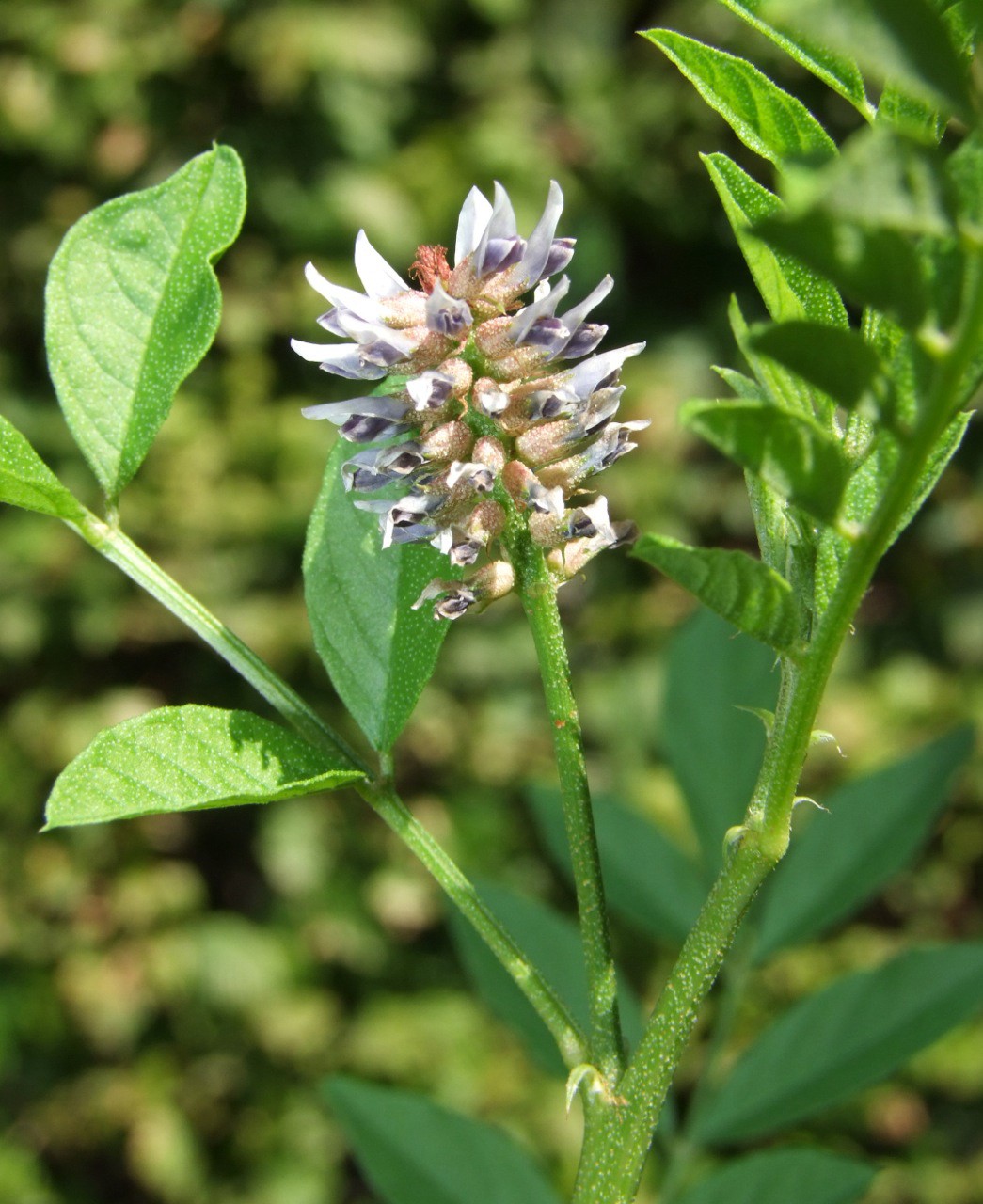
What it is
Licorice (Glycyrrhiza glabra) is a perennial plant whose root is used in foods and herbal preparations. The root contains glycyrrhizin-related compounds and flavonoids and has a characteristically sweet taste.
Traditional-use context
Licorice root has a long history of use in preparations for cough and throat irritation and for digestive discomfort. These traditional uses should not be interpreted as evidence that licorice treats serious respiratory, stomach, liver or skin disease.
Preparation context
Licorice appears in teas, extracts, syrups and combination herbal products. Concentration can vary substantially between products, so label directions and duration limits matter.
Safety and precautions
- Avoid prolonged or excessive use. Glycyrrhizin-containing licorice can raise blood pressure, promote fluid retention and alter potassium balance in susceptible people.
- People with hypertension, heart or kidney disease, or disorders affecting fluid and electrolyte balance should seek professional advice before use.
- Licorice can interact with medicines including some diuretics, blood-pressure medicines and heart medicines.
- Use during pregnancy is generally best avoided unless specifically advised by a qualified clinician.
Disclaimer: This page is for educational purposes only and does not provide medical advice. Herbal products can interact with medicines and may be inappropriate for some people. Consult a qualified clinician or pharmacist when symptoms are significant, persistent, or when you use prescription medicines.