
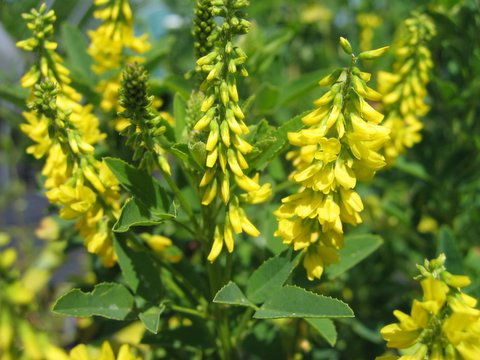
What it is
Yellow sweet clover is a biennial plant in the pea family (Fabaceae). The flowering aerial parts are used in traditional European herbal preparations.
Traditional-use context
The EMA has adopted an EU herbal monograph for Melilotus officinalis herb. The evidence base is centred on defined traditional-use preparations rather than broad claims for the whole plant.
Preparation context
Use a standardised or clearly labelled commercial preparation and follow its instructions. Home-dried material that has spoiled or fermented is unsuitable because coumarin-related compounds can change during poor storage.
Quality and identification
Use material that is correctly identified, dry, and free of mould. Do not use sweet clover that smells spoiled or shows signs of fermentation.
Safety and precautions
Because sweet clover contains coumarin-related constituents, people taking anticoagulant or antiplatelet medicines, or those with a bleeding disorder, should obtain professional advice before use. Stop use and seek care for unusual bruising or bleeding.
Evidence note
Traditional use and modern clinical evidence are not the same. Where an official monograph exists, this page uses it as a primary reference; otherwise claims are deliberately conservative.
EMA — Meliloti herbaDisclaimer: This page is for educational purposes only and does not provide medical advice. Herbal products can interact with medicines and may be inappropriate for some people. Consult a qualified clinician or pharmacist when symptoms are significant, persistent, or when you use prescription medicines.