
What it is
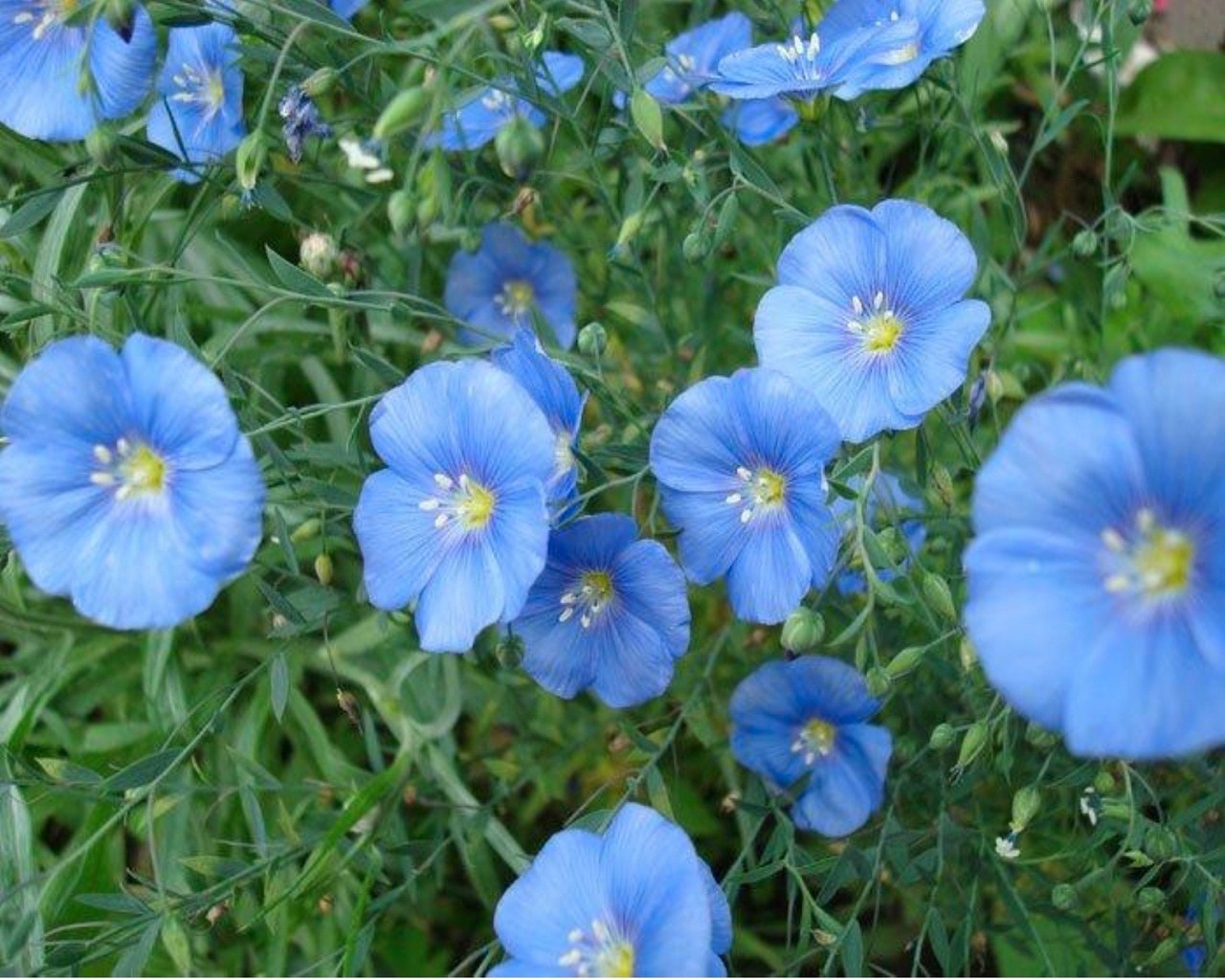
Flax (Linum usitatissimum) is an annual plant with narrow leaves, blue flowers and seed capsules. Its seeds are commonly known as flaxseed or linseed.
Flaxseed contains fibre, mucilage and fatty acids and has a long history of food and herbal use.
Traditional-use context
Flaxseed is traditionally used to support bowel regularity and digestive comfort. Folk sources also describe soothing preparations for the throat and digestive tract. Broader claims about cholesterol, immunity, skin or hair should be considered separately from these traditional uses.
How it is commonly used
- Whole or ground flaxseed: commonly taken with food or liquid.
- Soaked seed preparations: soaking releases mucilage and produces a gel-like texture.
- Flaxseed oil: used as a food oil; it does not provide the same fibre as whole or ground seed.
Safety and precautions
- Take flaxseed with enough fluid. Fibre-rich seeds can swell and may be unsuitable when swallowing is difficult or when there is a suspected bowel obstruction.
- Increase fibre gradually if you are prone to bloating or loose stools.
- Because high-fibre products can affect the absorption of medicines, separate use from oral medicines when advised by a pharmacist or clinician.
- Seek medical advice for persistent constipation, abdominal pain, vomiting or blood in the stool.
Disclaimer: This page is for educational purposes only and does not provide medical advice. Herbal products can interact with medicines and may be inappropriate for some people. Consult a qualified clinician or pharmacist when symptoms are significant, persistent, or when you use prescription medicines.