
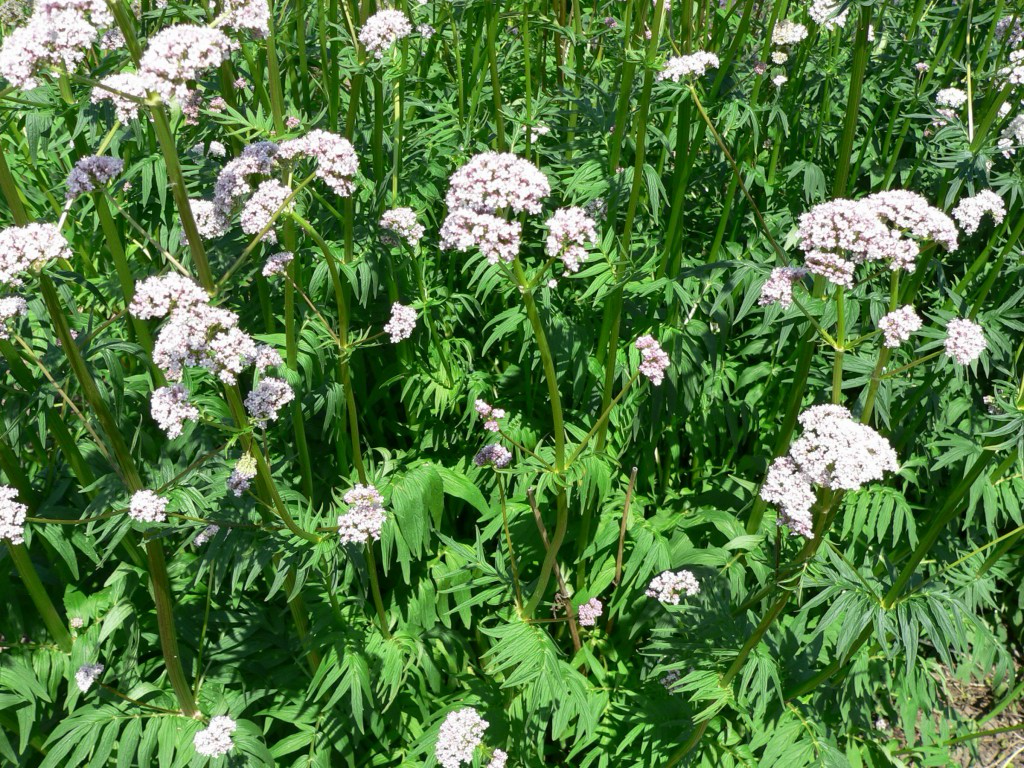
What it is
Valerian (Valeriana officinalis) is a perennial herb. The underground parts—primarily the dried root and rhizome—are the material used in recognised valerian herbal medicines.
Evidence and traditional use
The European Medicines Agency distinguishes between specific valerian preparations supported by clinical studies and other preparations supported by long-standing traditional use. Valerian root medicines are principally associated with mild nervous tension and sleep disorders.
Preparation context
Valerian products are available as herbal tea, solid or liquid oral preparations, and in some cases as bath additives. Strength and extraction method vary, so the instructions of the specific authorised or clearly labelled product should be followed.
Safety and precautions
- Valerian may cause drowsiness and can impair the ability to drive or use machinery.
- Avoid combining it casually with alcohol, sedatives or other medicines that cause drowsiness.
- Seek professional advice during pregnancy or breastfeeding, for children, or when taking prescription medicines.
- Persistent insomnia, marked anxiety or other significant symptoms should be medically assessed.
Evidence note
Not every valerian preparation has the same evidence. The EMA assessment applies to defined preparations and uses, so product-specific instructions remain important.
EMA — Valerianae radixDisclaimer: This page is for educational purposes only and does not provide medical advice. Herbal products can interact with medicines and may be inappropriate for some people. Consult a qualified clinician or pharmacist when symptoms are significant or persistent.