
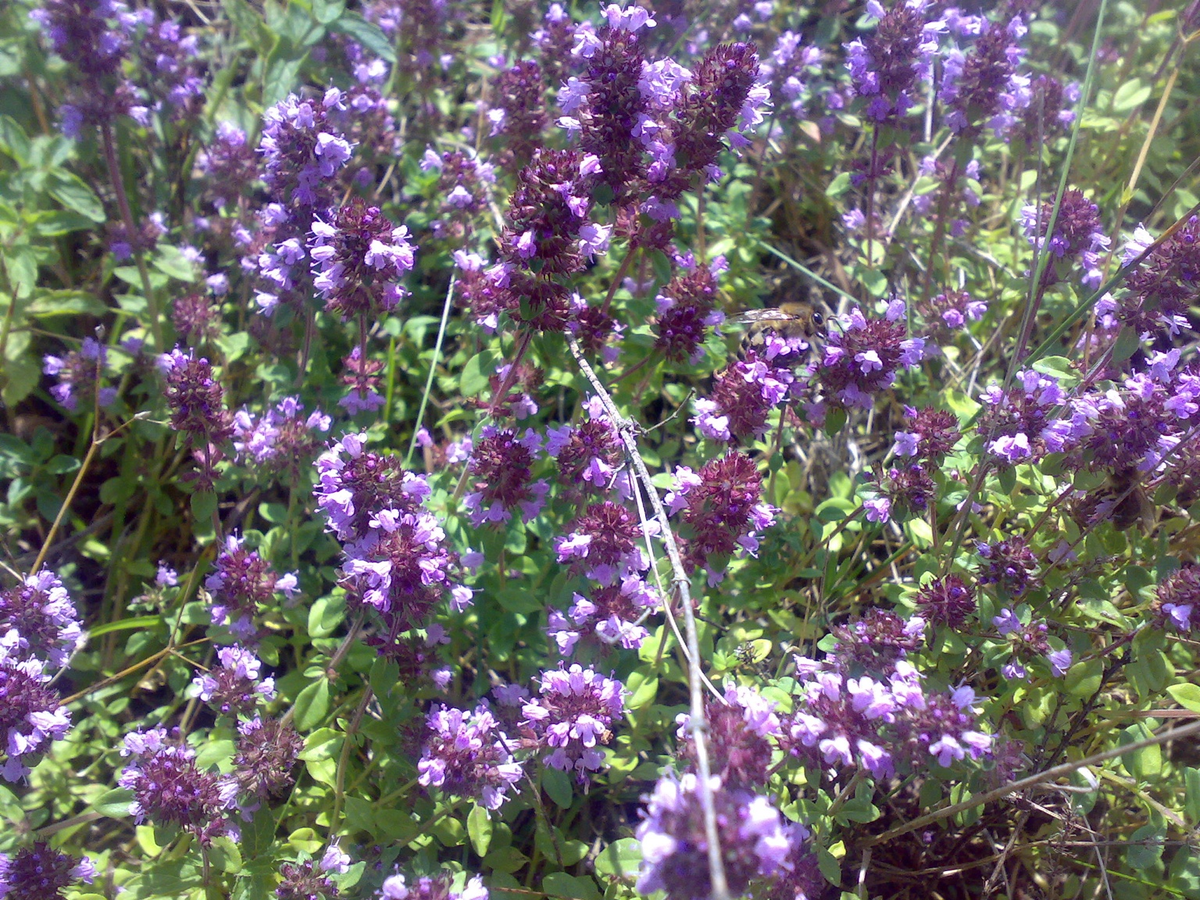
What it is
Thyme (Thymus vulgaris) is a strongly aromatic shrub in the mint family (Lamiaceae). It prefers dry, sunny locations and originated in the rocky Mediterranean region. Today it is widely cultivated for culinary and herbal use.
Historically, thyme has been used both as a kitchen spice and in traditional remedies—especially for respiratory comfort.
Key compounds
Thyme contains phenolic compounds (including rosemary‑acid‑type constituents), flavonoids, triterpenes, and an essential oil rich in thymol‑type components (often alongside p‑cymene and carvacrol).
Traditional uses
Traditional and modern herbal references commonly discuss thyme for coughs and bronchial irritation, and as a supportive herb for digestion—especially when meals feel heavy or cause gas.
Because thyme essential oil has notable antimicrobial activity, thyme preparations have also been used traditionally for mouth/throat rinses and for skin support in external applications.
How it is commonly prepared
- Tea or gargle: Pour 150 ml hot water over 1–2 teaspoons of herb, steep 10–15 minutes (covered). Drink several times per day, or use as a gargle.
- Bath additive: Traditional practice includes straining a strong thyme infusion and adding it to bath water.
- Ready‑made products: Syrups, drops, and lozenges are widely available; alcohol‑ and sugar‑free options exist for children.
Safety notes
Pregnancy and breastfeeding: use only with professional guidance, as traditional use does not guarantee safety.
Avoid thyme baths with open wounds/active skin inflammation, fever, serious heart weakness, or uncontrolled high blood pressure (traditional cautions).
Allergic reactions are possible.