
What it is
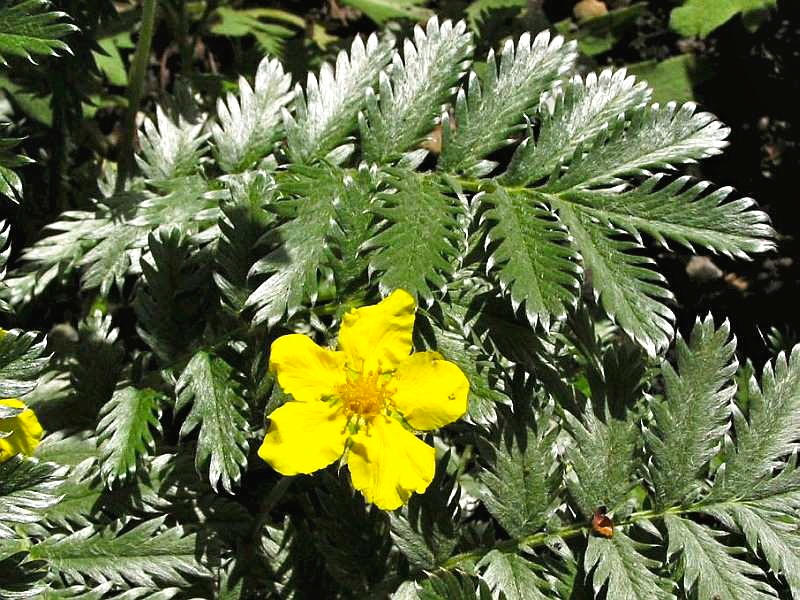
Silverweed (Potentilla anserina) is a perennial plant in the rose family (Rosaceae) found across the Northern Hemisphere. It often grows along riverbanks, damp meadows, and roadside verges. The plant’s leaves have a green upper surface and a pale, silky underside, giving it a distinctive “silvery” look.
Traditional uses
In traditional European herbal practice, silverweed has been used as a astringent and antispasmodic herb. Folk uses commonly include support for:
- Digestive discomfort (cramping, colicky pain)
- Diarrhea and excess intestinal secretions
- Menstrual cramps (to ease pain)
- Mouth and throat care (as a rinse/gargle)
Noted constituents
Traditional sources describe the plant as containing a range of compounds, including vitamin C and minerals, as well as naturally occurring constituents associated with astringent and soothing effects. In practice, silverweed is generally discussed as a herb with tightening (astringent) and soothing actions.
How it is used
- Tea (infusion): Traditionally prepared by steeping the aerial parts in hot water and drinking warm in small sips.
- Decoction (stronger preparation): Traditional texts sometimes recommend a decoction of the plant for gastrointestinal support.
- Mouth/throat rinse: A traditional infusion made with dried, ground rootstock may be used as a rinse or gargle for mouth and throat irritation.
Traditional example preparation
Mouth & throat rinse (traditional): Pour ~300 ml boiling water over 1 heaping tablespoon of dried, ground rootstock. Cover, steep ~45 minutes, strain, then use as a mouth rinse or gargle. Traditional sources also mention this type of infusion in the context of bronchial discomfort and general weakness.
Safety and precautions
- Low blood pressure: Traditional sources caution against use in people with hypotension, as silverweed may further lower blood pressure.
- Animals: Large amounts may be problematic for horses; avoid feeding and consult a veterinarian for animal-related concerns.
- Medical conditions and medication: If you have chronic illness, are pregnant/breastfeeding, or take medications, seek professional advice before using herbs therapeutically.
Disclaimer: This page is for educational purposes only and does not provide medical advice. Herbs can interact with medications and may not be appropriate for everyone. If you are pregnant, breastfeeding, have a medical condition, or take prescription medicines, consult a licensed clinician before using any herbal product.