
Herb Library
Sea Buckthorn
A vitamin-rich berry and oil traditionally used for skin recovery, digestive comfort, and general vitality.
Overview
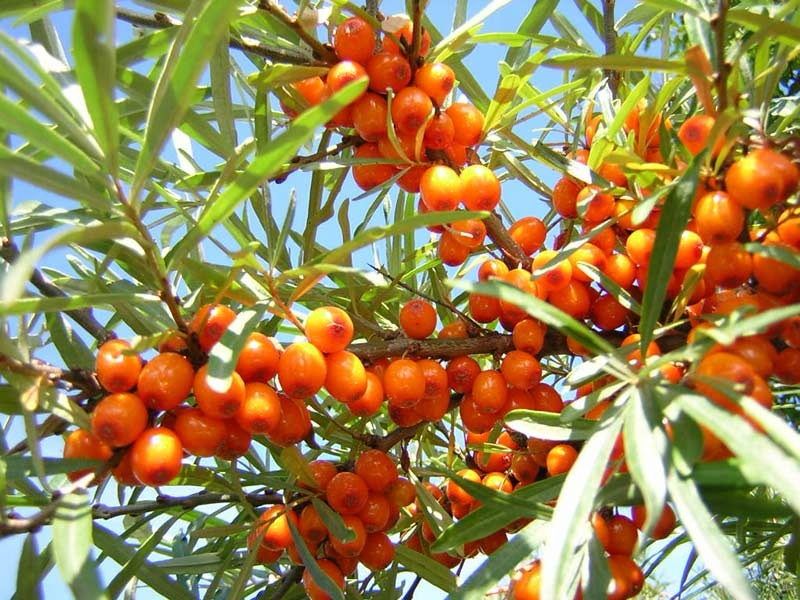
Sea buckthorn (Hippophae rhamnoides) is a hardy shrub known for its bright orange berries and oil-rich pulp. It has a long history as a nutritional and medicinal plant.
Unique ecology
Sea buckthorn forms a symbiosis with nitrogen-fixing bacteria (often described as Frankia) in root nodules, enriching soil nitrogen and influencing local plant communities.
Key constituents
The berries are traditionally described as rich in vitamin C, B vitamins, carotenoids, organic acids (including malic acid), minerals (including iron), and fatty oils. The pulp oil content is often noted as approximately 8–9% depending on variety.
Traditional uses
Sea buckthorn juice is used traditionally for vitamin deficiency and general recovery. Sea buckthorn oil is used topically for burns, pressure sores, frostbite, and ulcers, and internally for digestive comfort in stomach ulcer contexts.
Traditional preparations & dosage
Oil (internal): 1 teaspoon 2–3 times per day in traditional stomach-ulcer support.
Leaf infusion for gout context: steep 1 tablespoon dried herb in 1 cup boiling water for 30 minutes; take ½ cup 3 times per day.
Leaf decoction for joints/rheumatism: boil 1 tablespoon dried herb in 200 mL water for 10 minutes; take ½ cup twice daily.
Safety & contraindications
Fresh berries and juice are not recommended for gastritis with high acidity and for stomach ulcers according to traditional sources.
Avoid sea buckthorn products in urolithiasis with urate stones. Use caution with sensitive digestion and consult a clinician for chronic disease or medication use.