
What it is
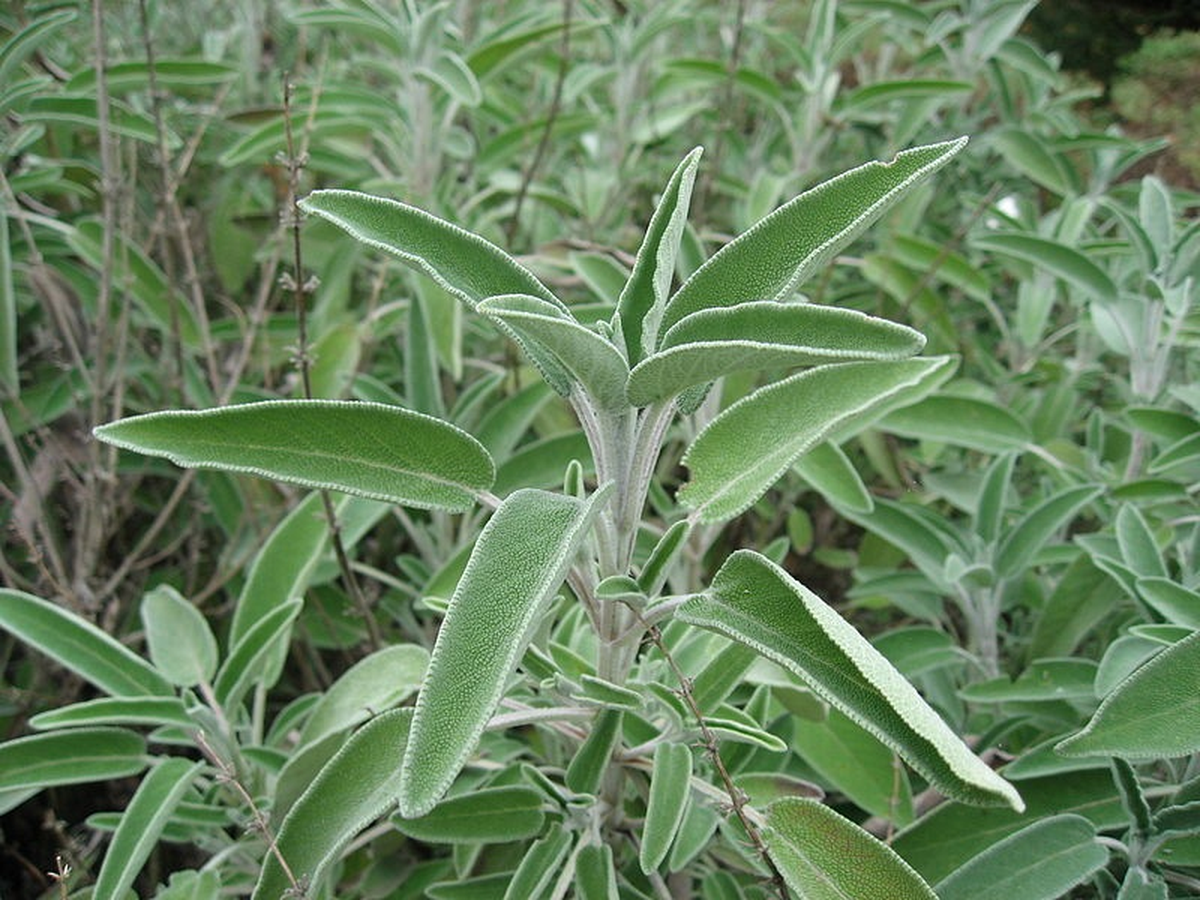
Common sage (Salvia officinalis) is a perennial, aromatic subshrub in the mint family (Lamiaceae). It has grey‑green leaves and purple‑blue flowers and is widely used as a culinary herb.
Traditionally, the leaves are harvested multiple times during the growing season (often from early flowering through late summer).
Key compounds
Sage leaves contain essential oils, flavonoids, tannins, and other phenolic compounds. Traditional texts link these constituents with astringent, anti‑inflammatory, and antimicrobial activity.
Traditional uses
Sage preparations have a long tradition as a mouth and throat rinse (for example, in cases of irritation of the oral cavity, pharynx, and larynx).
Folk sources also describe sage for digestive support, excessive sweating, and as part of traditional approaches for joint discomfort and skin care (external use).
How it is commonly prepared
- Tea: A traditional method is to pour 400 ml boiling water over 1 tablespoon of chopped leaves, steep 20–30 minutes, strain, and take small servings through the day.
- Infusion for gargling/rinsing: Pour 500 ml boiling water over 2–3 tablespoons dried leaves, steep about 1 hour, strain, and use lukewarm.
- Baths/external use: Traditional practice includes sage baths for certain skin complaints.
Safety notes
Traditional cautions advise avoiding sage in inflammatory kidney conditions and in cases of severe cough.
If you are pregnant, breastfeeding, have epilepsy, or take multiple medications, consult a clinician before using concentrated sage preparations.
Stop use if you develop unusual symptoms or allergic reactions.