
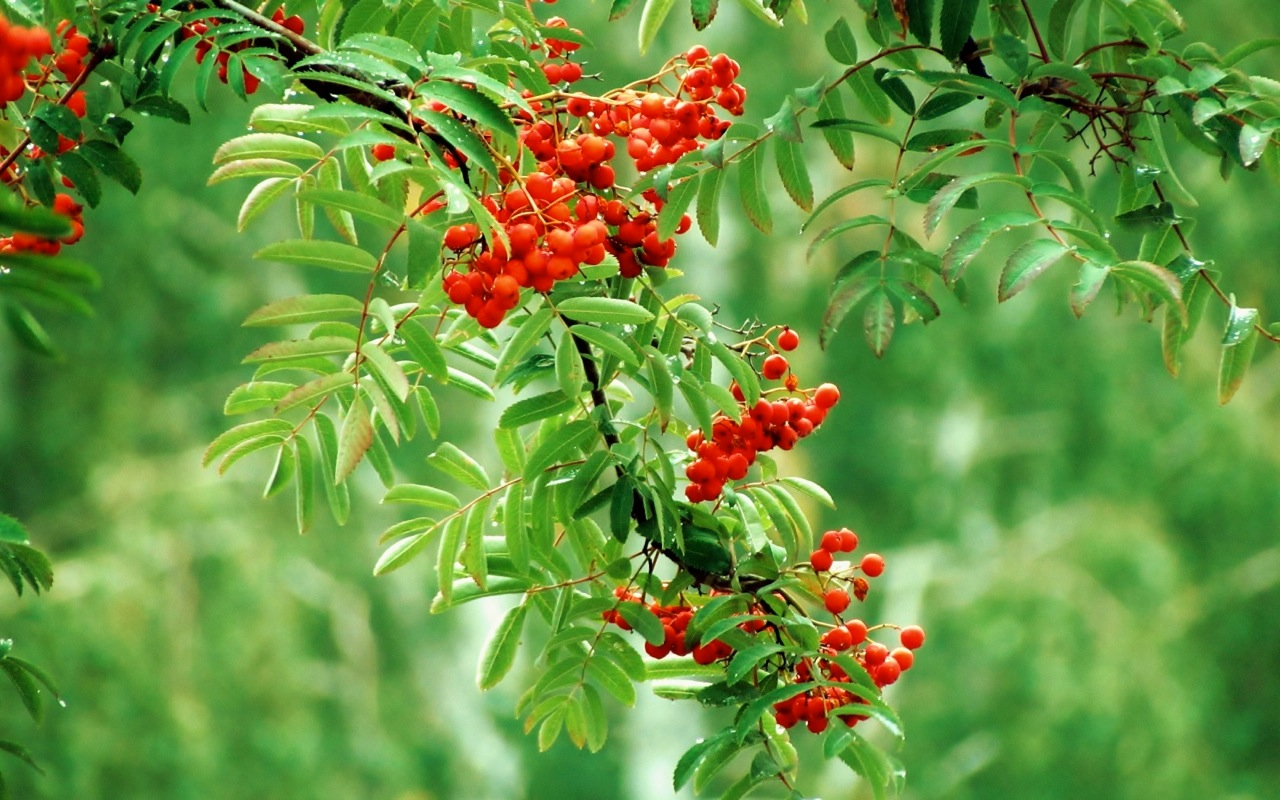
What it is
Rowan (Sorbus spp.) is a genus of trees and shrubs in the rose family (Rosaceae), widespread across the Northern Hemisphere. Rowan is known for its clusters of white flowers and bright red-orange berries that feed birds through the season.
Food use
Ripe rowan berries are traditionally processed (for example into jams) and are noted for their vitamin content. Preparations can be bitter and astringent.
Traditional uses
Traditional herbalism describes rowan fruits and flowers as astringent and mildly laxative, with supportive use for the urinary tract (diuretic effect), digestion, and general convalescence. Folk sources also mention use in blends for rheumatic complaints and as topical support for minor skin issues.
How it is commonly prepared
- Decoction for vitamin support (traditional): Simmer rowan fruits (often combined with rose hips), then steep and strain before drinking in small servings.
- Decoction for diarrhea (traditional): Simmer dried fruits, steep, strain, and drink as directed in folk sources.
- Juice (traditional): Fresh juice is taken in small amounts before meals in folk practice.
- Tincture (traditional): Berries are macerated in 40% spirit for about 2 weeks, then strained; taken diluted.
Safety and precautions
- Alcohol-based tinctures are not appropriate for everyone; avoid in children and use caution if you have liver disease or avoid alcohol.
- If you are pregnant, breastfeeding, have a medical condition, or take medication, consult a clinician before therapeutic use.
- Stop use if gastrointestinal upset occurs; bitter/astringent preparations can be irritating for some people.
Disclaimer: This page is for educational purposes only and does not provide medical advice. Herbs and supplements can interact with medications and may not be appropriate for everyone. If you are pregnant, breastfeeding, have a medical condition, or take medication, consult a qualified healthcare professional before use.