
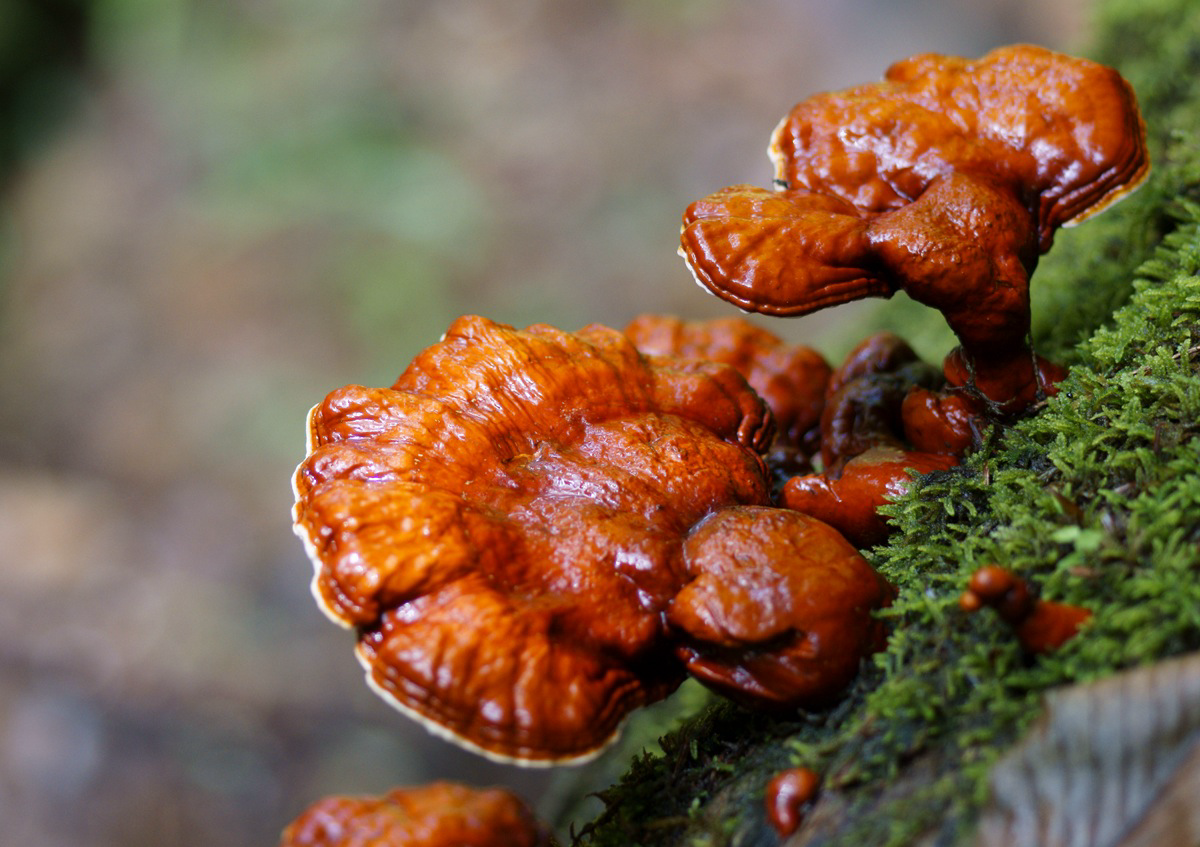
What it is
Ganoderma is a genus of wood‑growing polypore fungi (often called shelf fungi or bracket fungi) with many species, including Ganoderma lucidum. In popular use, G. lucidum is widely known as Reishi. Many Ganoderma species occur in tropical regions, but related species are found worldwide on decaying hardwoods.
Traditional reputation
Reishi has been used extensively in several Asian medical traditions as a “tonic” mushroom. Traditional claims describe support for vitality and resilience and a role in long‑term well‑being.
Key constituents (overview)
Reishi contains multiple bioactive groups, most notably:
- Polysaccharides (often discussed in relation to immune modulation).
- Triterpenes (bitter constituents associated with some traditional actions).
- Minerals and other secondary metabolites (composition varies by species and cultivation).
Traditional and commonly claimed uses
Folk and traditional sources often describe Reishi as supporting:
- Immune function and general resistance.
- Inflammatory balance.
- Cardiometabolic markers (such as blood pressure and cholesterol) in traditional contexts.
- Sleep quality and stress resilience.
- Energy and recovery (fatigue support).
Reishi is sold commonly as capsules, powders, and liquid extracts. It may also be used as a very bitter tea or added to coffee‑style drinks.
On cancer‑related claims
Some sources discuss Reishi as a supportive supplement during serious illness. If you have cancer (or any serious condition), use Reishi only as an adjunct and only with your clinician’s guidance. It is not a substitute for diagnosis, treatment, chemotherapy, or radiotherapy.
How it is commonly prepared
- Hot‑water decoction (tea): simmered to extract polysaccharides; the taste is notably bitter.
- Extracts: standardized or concentrated powders/capsules; quality varies by product and extraction method.
Safety & cautions
- If you take blood thinners, have a bleeding disorder, or are scheduled for surgery, consult a clinician before using Reishi.
- If you have low blood pressure or take blood‑pressure medicines, monitor for additive effects.
- Possible side effects include digestive upset, dry mouth, or rash in sensitive individuals.
Disclaimer: This page is for educational purposes only and does not provide medical advice. Herbs can interact with medications and may not be appropriate for everyone. If you are pregnant, breastfeeding, have a medical condition, or take prescription medicines, consult a licensed clinician before using any herbal product.