
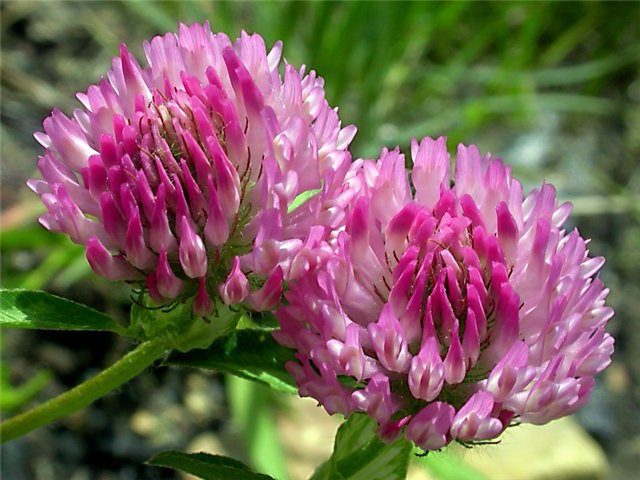
What it is
Red clover (Trifolium pratense) is a perennial meadow plant in the legume family (Fabaceae/Leguminosae). It typically grows 15–50 cm tall with a three‑part leaf and rounded pink‑to‑red flower heads blooming from June into autumn. Flowers (and sometimes leaves) are used traditionally.
Traditional uses
The source text describes red clover as soothing and expectorant, used in respiratory complaints, and also as diuretic/“blood‑cleansing” in traditional detox narratives. It mentions traditional use for skin issues (psoriasis/eczema‑type) and inflammatory discomfort such as rheumatic complaints.
It also states that red clover has been recommended in some traditions for serious illnesses (including cancer) and for menopausal symptoms due to phytoestrogenic constituents. For any serious condition, use only as supportive care with medical supervision.
How it is commonly prepared
- Tea: 1 heaped teaspoon dried, crushed flowers per 250 ml boiling water; steep ~15 minutes; strain. Traditionally 2–3 cups/day.
- Traditional infusion: the source describes steeping larger amounts in a thermos, then drinking in divided doses for colds.
Notes on quality and use
Choose a fresh, aromatic product; volatile oils contribute to many of catnip’s traditional properties. Store dried herb away from heat and light.
Safety and precautions
- Avoid use during pregnancy and breastfeeding unless advised by a qualified clinician.
- Do not use if you are allergic to plants in the mint family (Lamiaceae) or if you have known sensitivity.
- If you take sedatives or medications that affect the central nervous system, consult a clinician before use.
Disclaimer: This page is for educational purposes only and does not provide medical advice. Herbs can interact with medications and may not be appropriate for everyone. If you are pregnant, breastfeeding, have a medical condition, or take prescription medicines, consult a licensed clinician before using any herbal product.