
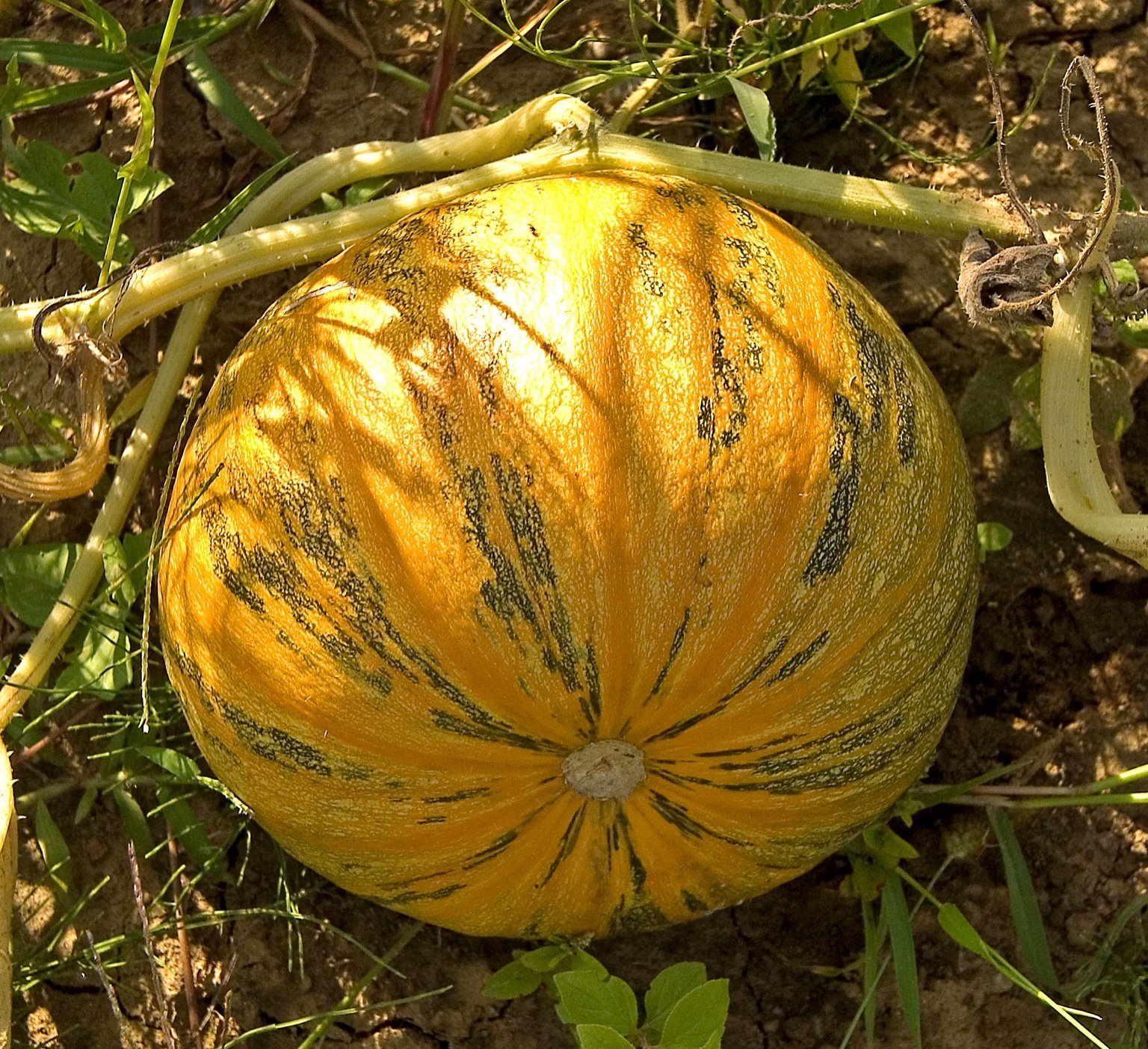
Overview
Pumpkin (Cucurbita pepo) is a vigorous vine in the gourd family (Cucurbitaceae). The plant produces large yellow to orange fruits containing many smooth seeds. Pumpkins thrive in warm conditions and full sun and have been cultivated for thousands of years.
Parts used
- Seeds (ripe, dried pumpkin seeds)
- Seed oil (cold-pressed)
- Flesh (food use; occasional traditional topical use)
Key compounds
- Phytosterols
- Unsaturated fatty acids (seed oil)
- Protein and amino acids
- Vitamin E
- Minerals such as magnesium and trace elements such as selenium
Traditional and modern uses
- Urinary comfort and prostate support (BPH-related symptoms such as weak stream, dribbling, nocturia)
- Support for irritable bladder symptoms
- Traditional antiparasitic use (pumpkin seeds)
- Soothing topical compresses of fresh pulp for minor skin irritation
Preparations and dosage
- Whole seeds: 10–30 g daily
- Seed oil: 5–10 mL (1–2 tsp) daily
- Extracts: commonly 500–1000 mg daily (follow label)
Safety and precautions
- Generally well tolerated; large amounts may cause mild digestive upset
- Avoid if allergic to pumpkin/squash seeds
- Persistent urinary symptoms should be assessed by a clinician
Affiliate disclosure: Some links on this page may be affiliate links. If you purchase through these links, we may earn a small commission at no extra cost to you.
Health disclaimer: This content is for educational purposes only and is not a substitute for medical advice. Consult a qualified professional for diagnosis and treatment.