
What it is
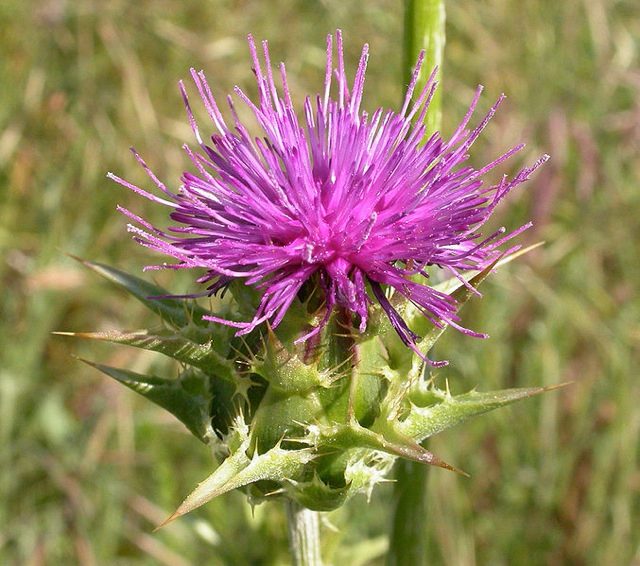
Milk thistle (Silybum marianum) is a tall thistle (Asteraceae) with white‑marbled leaves and purple flower heads. It is native to parts of southern Europe and western Asia and has been cultivated for medicinal use since the Middle Ages.
Traditional uses
Milk thistle extracts are traditionally used for supportive care in toxic liver stress, chronic inflammatory liver conditions, and cirrhosis supportive care. The source text notes improved liver lab markers in a placebo‑controlled study using a standardized dose equivalent to ~420 mg silymarin per day.
Emergency mushroom poisoning (Amanita phalloides) is sometimes discussed in medical literature with hospital protocols—this is life‑threatening and requires immediate emergency care.
How it is commonly prepared
Modern use relies on standardized extracts (capsules/tablets) adjusted to silymarin content; common daily targets are 200–400 mg silymarin (product‑dependent).
Tea is traditionally used for digestive/gallbladder comfort, but is not an efficient way to deliver silymarin because it is poorly water‑soluble. Traditional method: 1–2 teaspoons crushed fruits per 150 ml boiling water, steep 10–15 minutes; 3–4 cups/day.
Notes on quality and use
Choose a fresh, aromatic product; volatile oils contribute to many of catnip’s traditional properties. Store dried herb away from heat and light.
Safety and precautions
- Avoid use during pregnancy and breastfeeding unless advised by a qualified clinician.
- Do not use if you are allergic to plants in the mint family (Lamiaceae) or if you have known sensitivity.
- If you take sedatives or medications that affect the central nervous system, consult a clinician before use.
Disclaimer: This page is for educational purposes only and does not provide medical advice. Herbs can interact with medications and may not be appropriate for everyone. If you are pregnant, breastfeeding, have a medical condition, or take prescription medicines, consult a licensed clinician before using any herbal product.