
Overview
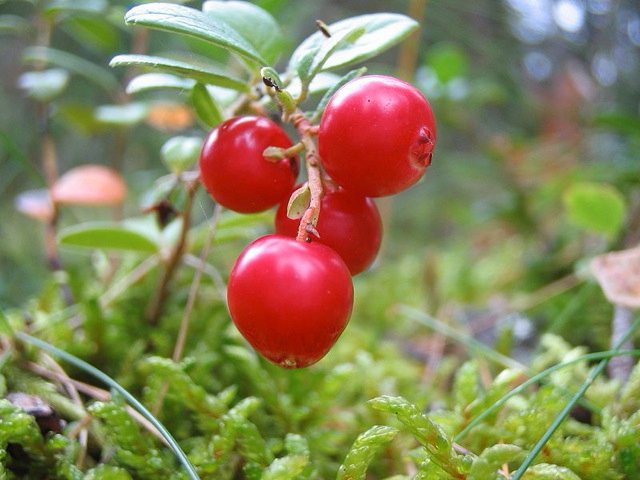
Lingonberry (Vaccinium vitis-idaea) is a low evergreen shrub in the heath family (Ericaceae), native to cool northern regions. It produces clusters of small white to pale pink bell-shaped flowers and bright red berries.
Parts used
- Leaves (traditional medicinal use)
- Berries (nutritional use)
Key nutrients and compounds
- Vitamin C and B vitamins (berries)
- Minerals such as potassium, calcium, magnesium, and phosphate
- Polyphenols including anthocyanin-type pigments
Traditional uses
- Urinary tract comfort (diuretic, antiseptic and astringent traditional actions)
- Supportive use for bladder and kidney complaints
- Traditional digestive support (bloating, colic)
- Traditional topical/scalp use (itchy scalp, dandruff)
Preparation and dosage (leaf infusion)
Traditional infusion: Pour 200 mL boiling water over 6 g (about 2 tablespoons) of dried leaf, cover and steep 45 minutes, then strain.
Traditional use: 1/2–1/3 cup, 2–3 times per day.
Safety and precautions
- Berries are generally safe as food
- Leaf preparations are more concentrated—avoid long-term high-dose use without guidance
- Seek medical care for fever, blood in urine, or severe/persistent urinary pain
Affiliate disclosure: Some links on this page may be affiliate links. If you purchase through these links, we may earn a small commission at no extra cost to you.
Health disclaimer: This content is for educational purposes only and is not a substitute for medical advice. Consult a qualified professional for diagnosis and treatment.