
What it is
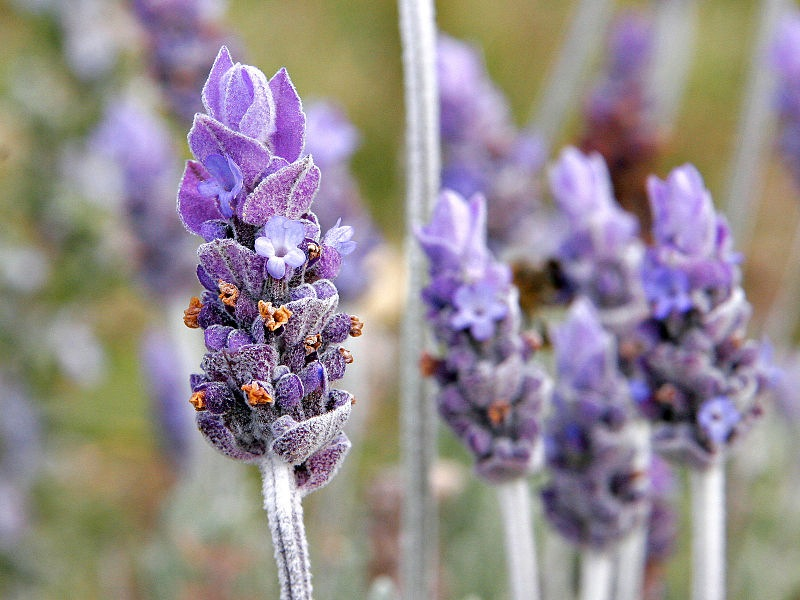
Lavender (Lavandula spp.) is an aromatic genus in the mint family (Lamiaceae), cultivated worldwide. The flowers and their essential oil are used in traditional herbalism and aromatherapy.
Aromatherapy and topical use
Lavender’s essential oil is widely used for its calming aroma and as a traditional topical support for minor skin concerns. Because essential oils are concentrated, they are typically used diluted in a carrier oil rather than applied neat.
Traditional uses
Traditional sources describe lavender for nervous tension, restlessness, and sleep support, as well as for digestive discomfort where spasm relief is desired. In folk practice it is also used externally for minor skin issues and as a bath additive. Lavender’s pleasant scent has long been used in the home and in personal care products.
How it is commonly prepared
- Tea (infusion): Steep about 1 teaspoon of dried flowers in 250 ml hot water for 5–10 minutes, strain, and drink warm.
- Bath additive (traditional): Prepare a strong infusion/decoction of flowers, strain, and add to bath water (comfortably warm).
- Oil infusion (traditional topical): Macerate dried flowers in olive oil and strain; apply externally as needed.
- Inhalation (aromatherapy): Use diluted essential oil according to product directions (avoid direct contact with eyes and mucosa).
Safety and precautions
- Avoid therapeutic use during pregnancy, especially in the first trimester. Traditional sources advise avoidance.
- Essential oil caution: Do not ingest lavender essential oil without qualified supervision; keep away from children and dilute for topical use.
- If you have very low blood pressure or are taking sedatives, consult a clinician before frequent therapeutic use.
Disclaimer: This page is for educational purposes only and does not provide medical advice. Herbs and supplements can interact with medications and may not be appropriate for everyone. If you are pregnant, breastfeeding, have a medical condition, or take medication, consult a qualified healthcare professional before use.