
What it is
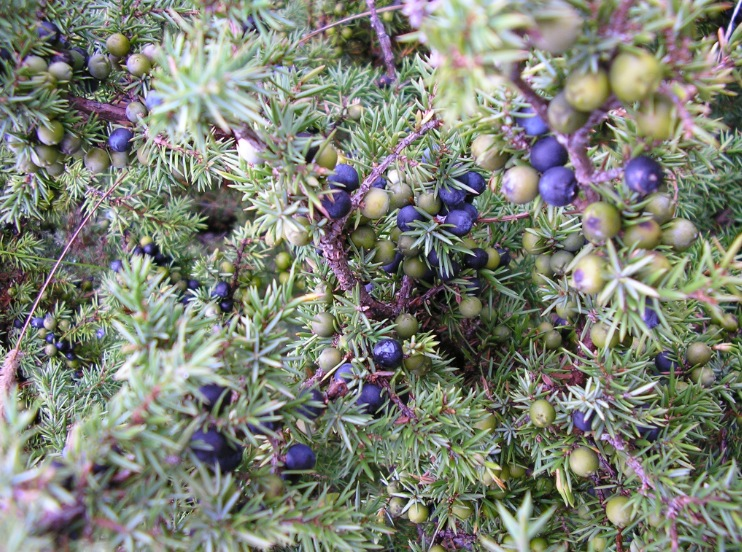
Common juniper (Juniperus communis) is an evergreen shrub (sometimes a small tree) native across the Northern Hemisphere. The berries are actually fleshy cones that take multiple seasons to mature.
Traditional use focuses on the ripe, dark berries, which contain aromatic compounds and essential oils associated with diuretic and digestive effects.
Traditional uses
- Urinary support (traditional): Used as a diuretic and as a traditional urinary tract antiseptic approach.
- Digestive bitter-aromatic: Traditionally used for bloating and sluggish digestion.
- Respiratory support: Mentioned in traditional sources as an expectorant support herb.
- External use: Used in washes or rinses in folk practice for various skin concerns.
How it is commonly prepared
- Berry infusion or decoction: Ripe berries are lightly crushed and steeped or gently simmered, then strained.
- Included in blends: Juniper berries are part of traditional diuretic mixtures; keep formulas conservative.
- Essential oil (specialist use): Juniper needle/berry oils are concentrated and should be used with professional guidance.
Notes on safe use
- Use short-term only. Traditional practice often treats juniper as a short-course herb due to potential kidney irritation.
- Hydration matters. Diuretic herbs may increase fluid loss; maintain adequate water intake.
Safety and precautions
- Avoid with kidney inflammation. Traditional sources warn against use in nephritis; it may aggravate irritation and can cause blood in the urine.
- Avoid in pregnancy unless professionally advised. Strong essential oil–containing herbs are generally avoided without supervision.
- Stop if pain, burning urination, or blood appears. Seek medical evaluation promptly.