
Herb Library
Japanese Pagoda Tree
A rutin-rich medicinal tree traditionally used for vascular support and inflammatory skin conditions.
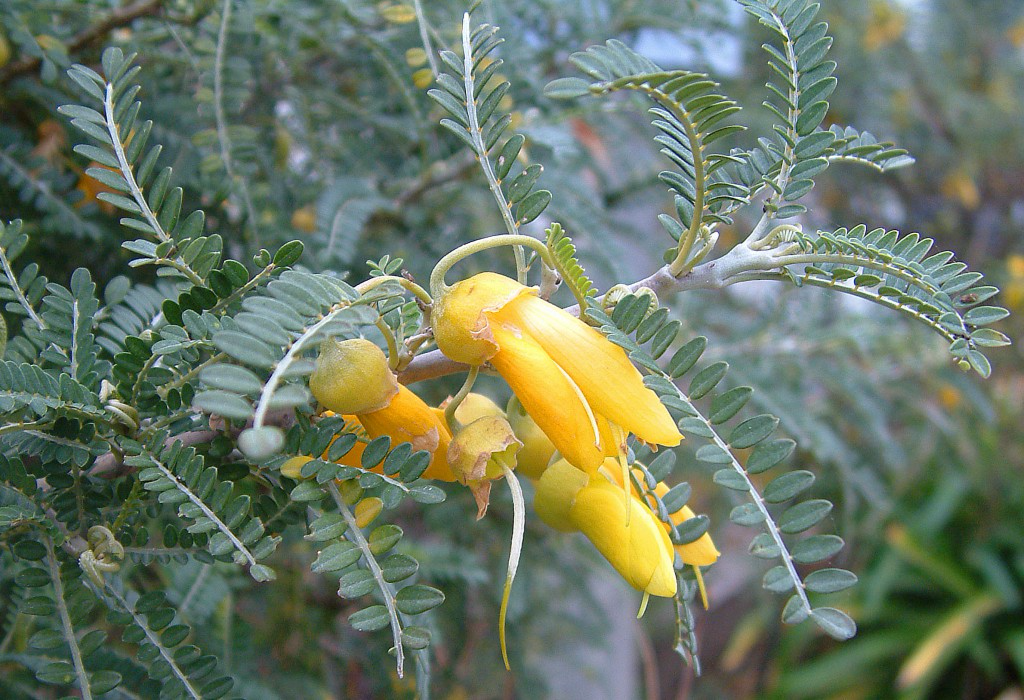
Overview
Japanese pagoda tree (Sophora japonica, also known in some sources as Styphnolobium japonicum) is a legume-family tree native to China and Korea, widely planted in Japan and elsewhere as an ornamental and nectar-rich species.
Parts used
Traditional medicine uses the flower buds and fruits/pods. These materials are especially valued for their flavonoid content.
Key constituents
The plant is widely known for rutin (rutoside), a flavonoid traditionally associated with capillary strength and vascular resilience.
Traditional uses
Sophora japonica is traditionally used for circulation and vascular support, including contexts involving internal bleeding tendency and vascular fragility. It is also described for inflammatory skin conditions such as eczema and psoriasis, and for wound and ulcer care.
Traditional preparations & dosage
Tincture: 15–30 drops 3 times daily. Traditional cycles suggest 1 month of use followed by a 10-day break.
External wash/compress: boil 10 g ground fruits for 15 minutes, steep 45 minutes, strain, top up to 200 mL; use as lotion or compress.
Safety & contraindications
Avoid use during pregnancy and breastfeeding. Use caution with liver or kidney disorders. Because it may influence vascular function, consult a clinician if using blood thinners, blood pressure medication, or diabetes medication.