
What it is
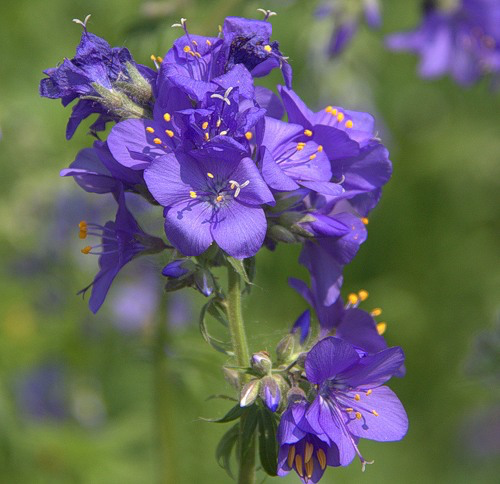
Jacob’s ladder (Polemonium caeruleum) is a perennial herb with blue or white bell-shaped flowers. It grows in moist, humus-rich habitats across parts of Europe and Asia.
Traditional preparations focus on the roots and rhizomes, which contain triterpene saponins and resins.
Traditional uses
- Respiratory expectorant: Traditionally used for chronic bronchitis and productive coughs.
- Calming support: Folk sources describe a sedative effect; some traditions compare its calming strength to valerian.
- Digestive support in blends: Used with other herbs in traditional formulas for stomach and duodenal complaints.
How it is commonly prepared
- Infusion or decoction: Traditionally 6–10 g of dried herb per 200 ml boiling water, steeped about 30 minutes; taken in small spoonful amounts after meals.
- Combined formulas: Some traditional protocols combine it with other soothing herbs; keep total dosing conservative.
- Bath use (traditional): A decoction has been used in baths for nervous, restless children in folk practice.
Notes on safe use
- Dose matters. Higher doses may cause nausea, vomiting, diarrhea, headache, or shortness of breath in sensitive people.
- Avoid overuse. If using regularly, take breaks and consult a qualified professional for persistent symptoms.
Safety and precautions
- Avoid in hypertensive crisis. Traditional guidance cautions against use during hypertensive crises.
- Use caution with increased blood clotting. Traditional sources advise avoiding it when clotting is elevated.
- Stop if adverse effects occur. Discontinue and seek advice if symptoms are significant.