
Herb Library
Hibiscus
A refreshing sour herbal tea rich in anthocyanins, traditionally used for circulation, digestion, and metabolic support.
Overview
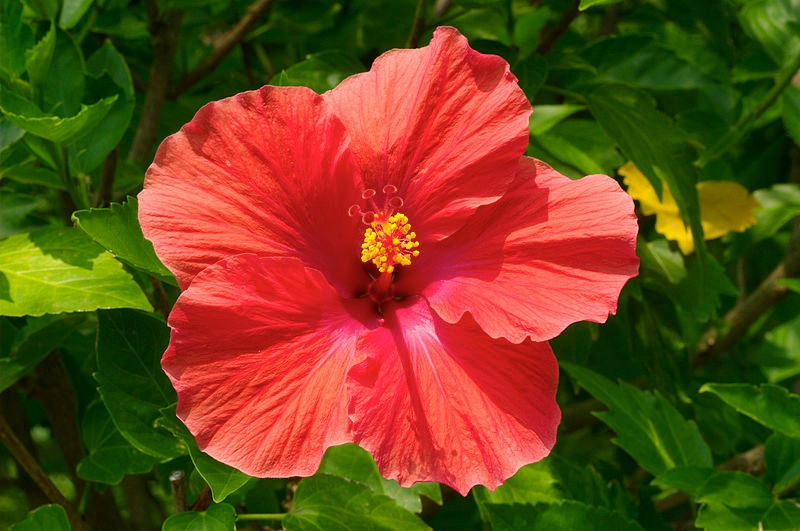
Hibiscus (Hibiscus spp.) is a large genus within the mallow family (Malvaceae). Hibiscus tea is a popular sour, refreshing drink, most commonly made from Hibiscus sabdariffa calyces.
Key constituents
Hibiscus preparations are traditionally described as containing organic acids (including hibiscus acid), flavonoids, anthocyanins (responsible for the red color), mucilage, phytosterols, and pectin.
Traditional uses
Hibiscus tea is traditionally used for thirst relief, mild digestive support, circulation and vessel support, and general wellbeing. It is also described as mildly laxative for some individuals.
Blood pressure context
Traditional sources often claim warm hibiscus tea may raise blood pressure and cold hibiscus tea may lower it. Individual responses vary and this should not replace medical treatment.
Tea preparation
Pour 250 mL boiling water over 1 full tablespoon dried hibiscus (about 2–3 flowers depending on size), cover and steep 10 minutes, then strain.
Safety & contraindications
Avoid hibiscus during pregnancy. Traditional sources warn it may stimulate menstruation-like activity and increase uterine tone.
Use caution with low blood pressure, reflux/sensitive stomach, and if taking blood pressure or diabetes medications.