
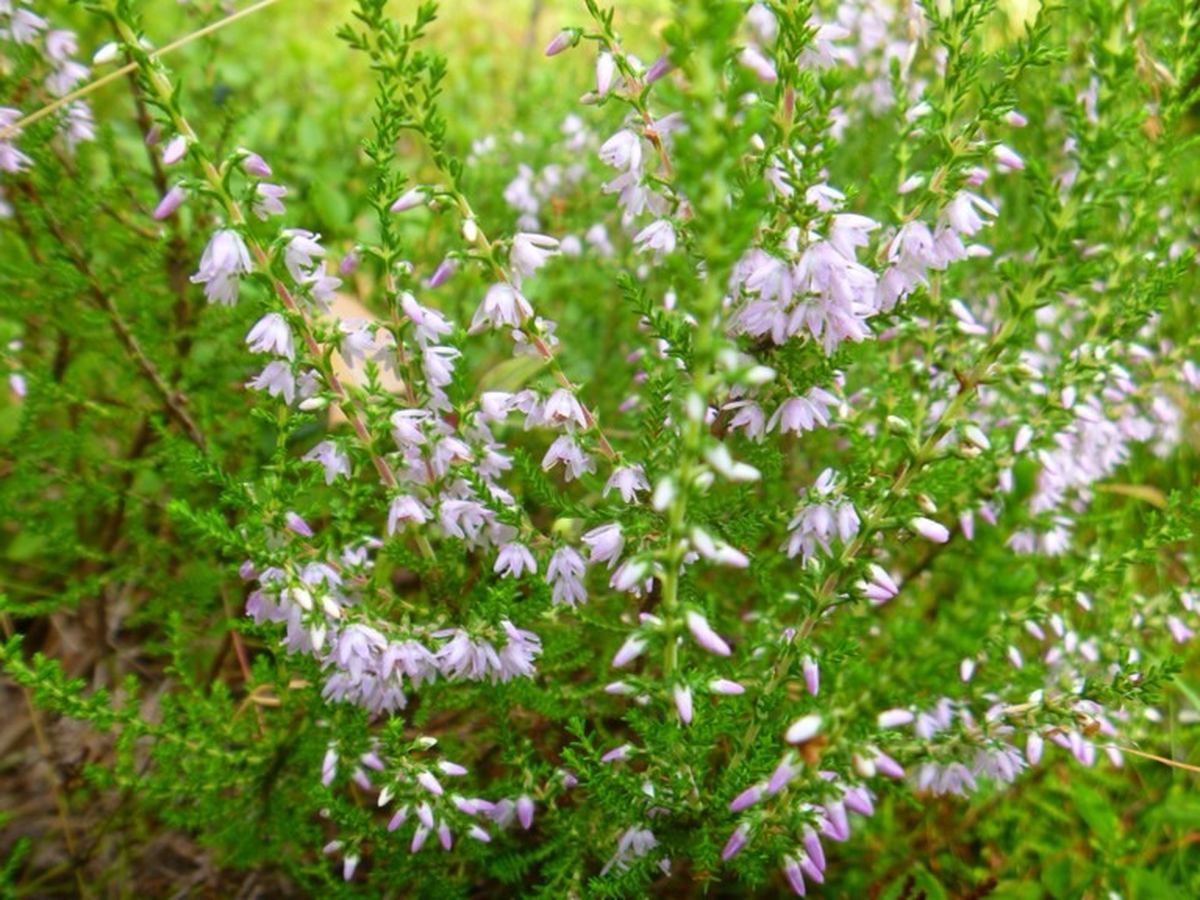
What it is
Heather (Calluna vulgaris) is a small evergreen shrub in the heath family (Ericaceae). It is common across Europe (especially in central and northern regions) and has also been introduced to parts of North America.
It grows on nutrient‑poor, acidic sandy soils, heaths, dunes that are low in lime, and upland areas above the tree line. The flowers are typically purple and appear in clusters along the tips of the shoots.
Key compounds
Traditional references describe flavonoids (including quercetin‑ and myricetin‑type compounds), tannins, arbutin‑related constituents, essential oil traces, and polysaccharides in the flowering tops.
Traditional uses
Folk use most often discusses heather as a gentle diuretic and as part of traditional approaches for urinary tract comfort.
Heather honey is also traditional in some regions and is described as aromatic and mineral‑rich; it has been used traditionally in contexts such as respiratory discomfort and general ‘cleansing’ approaches.
How it is commonly prepared
- Tea/infusion: The flowering tops are steeped and the tea is taken over the day.
- Longer courses: Some traditional texts describe multi‑week use in urinary complaints—this should be discussed with a clinician, especially if stones are suspected.
Safety notes
If you have fever, flank pain, blood in urine, or suspected kidney stones, seek medical care—do not rely on home treatment.
If you take diuretics or have kidney disease, consult a clinician before using diuretic herbs.