
Herb Library
Hawthorn
A traditional heart and circulation herb used for vascular tone, mild palpitations, and nervous tension.
Overview
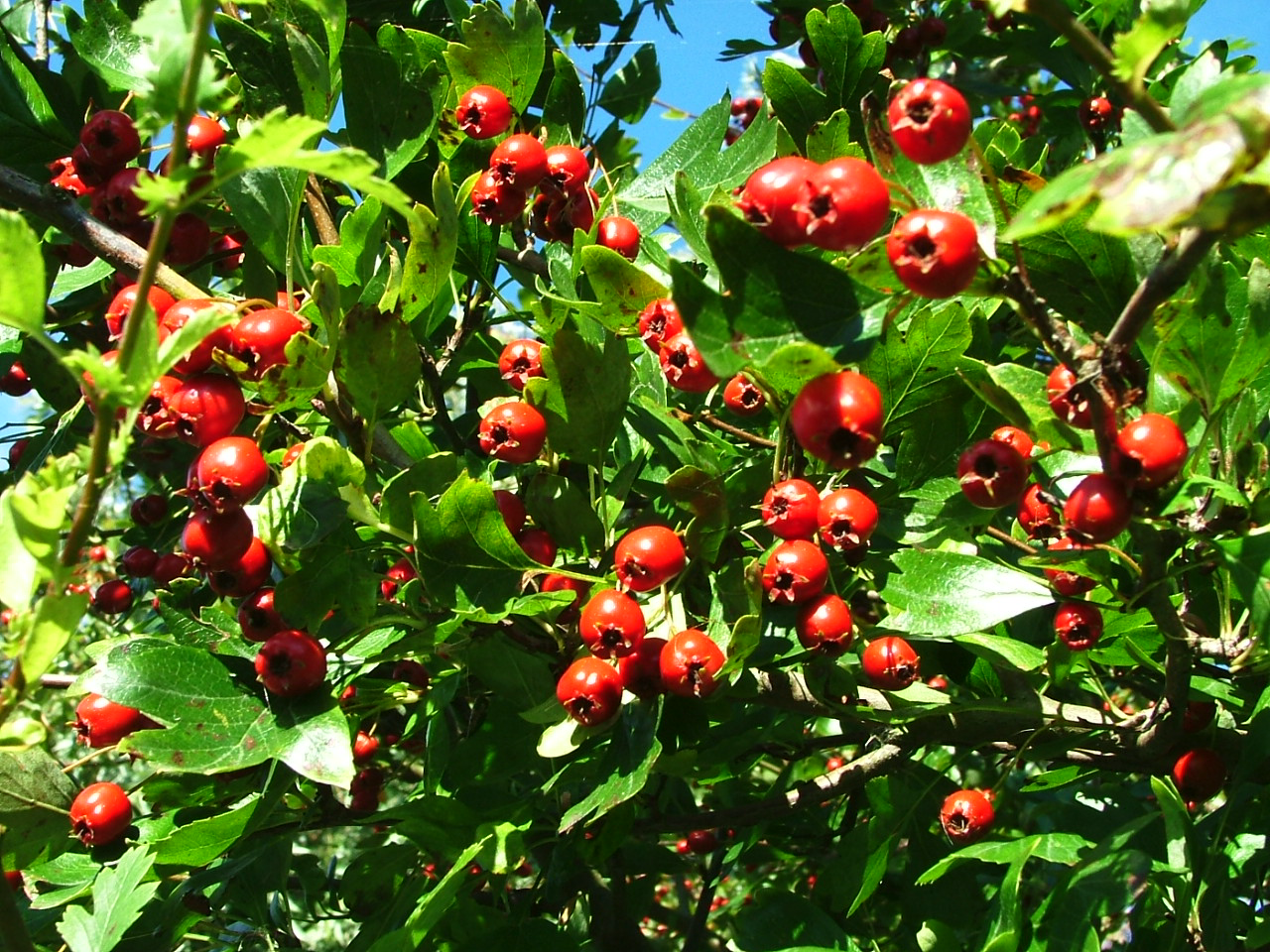
Hawthorn (Crataegus spp.) is a shrub or small tree in the rose family (Rosaceae), native across Europe, North America, parts of Asia, and North Africa. It produces clusters of flowers followed by red fruits (“haws”), and has a long reputation as a classic cardiovascular herb.
Parts used
Traditional preparations may use the flowers, leaves, and fruits. In many systems, flowers and leaves are used for circulation and nervous heart tension, while the fruits are used for long-term heart and vessel support.
Key constituents
Hawthorn is traditionally described as containing flavonoids, organic acids, carotenoids, vitamin C, pectin, sugars, and other supportive plant compounds. These constituents are often discussed in relation to circulation and vascular tone.
Traditional uses
Hawthorn is traditionally used in supportive contexts such as mild palpitations, nervous tension affecting the heart, fatigue, and age-related circulation comfort. Folk traditions also describe it as supportive during hypertension and atherosclerosis contexts.
Traditional preparations & dosage
Tincture (pharmaceutical preparation): 20–30 drops, 3 times daily before meals.
Fruit decoction: boil 20 g dried fruits for 15 minutes in 250 mL water, strain, bring back to 250 mL; take 1 tablespoon 3 times daily.
Flower infusion: steep 3 tablespoons dried flowers in 600 mL boiling water for 30 minutes; drink 1 cup 3 times daily.
Safety & contraindications
Avoid use during pregnancy and breastfeeding as noted in traditional sources. Use caution with cardiovascular medications (blood pressure, rhythm, or heart failure medicines). Seek medical help for chest pain, severe palpitations, fainting, or sudden dizziness.