
What it is
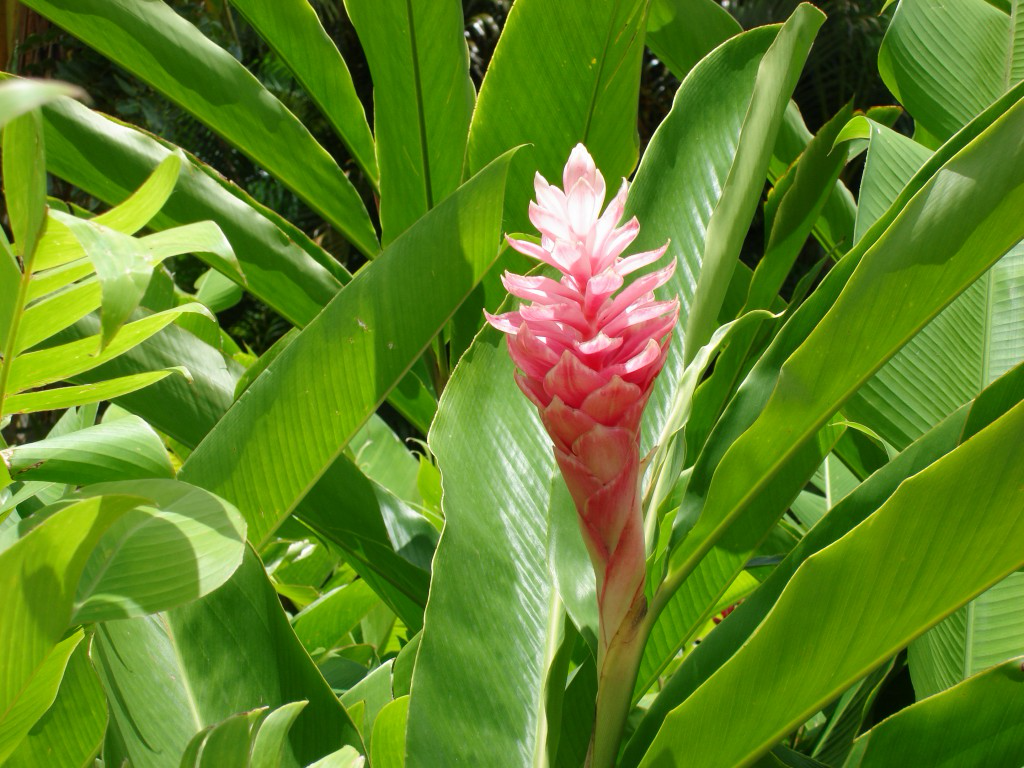
Ginger (Zingiber officinale) belongs to the ginger family (Zingiberaceae). It is a creeping perennial that grows from a thick, knobby underground stem called a rhizome. Each spring it produces upright green stems (often around 60 cm) with narrow leaves; the above‑ground parts die back seasonally. Near flowering time, a spike emerges from the rhizome carrying pale white‑to‑yellow flowers.
Both culinary ginger and medicinal ginger are cultivated. A piece of rhizome is planted in spring and can often be harvested about a year later.
The name Zingiber is linked to the ancient Indian term shringavera. Ginger appears in early Sanskrit writings and in ancient Chinese sources, and later in Greek, Roman, and Arabic medical literature. In Central Europe it became widely known through the Crusaders. By the 16th century, ginger was valuable enough that a pound could cost as much as a sheep.
Where it is grown
Today ginger is cultivated widely in tropical and subtropical regions of Asia, parts of Africa, Brazil, and Jamaica. In many growing regions it is traditionally used to support digestion.
Key compounds
The rhizome contains pungent constituents such as gingerols and shogaols, as well as diarylheptanoids and essential oils (with components such as zingiberene). These compounds are associated with ginger’s characteristic warmth and aroma.
Traditional uses
Ginger has a long history of use for:
- Digestive discomfort (indigestion, gas, “nervous stomach”).
- Nausea and vomiting, including motion sickness and post‑operative nausea in traditional and modern contexts.
- General warming support in traditional systems (including Indian and Chinese medicine).
Traditional descriptions also mention its use during coughs, urinary discomfort, lower abdominal complaints, rheumatic pains, and migraine‑type headaches.
Evidence note (modern research)
Multiple clinical studies have evaluated ginger for nausea and vomiting across different settings (motion sickness, post‑operative nausea, and other causes). Results often show benefit compared with placebo, and ginger preparations are generally well tolerated, including in children in certain age ranges. Outcomes can vary depending on dose and preparation.
How it is commonly prepared
- Powder: traditional directions often dissolve about 1/3 teaspoon in ~150 ml water, taken 2–4 times daily.
- For motion sickness (traditional timing): taken about 30 minutes before travel.
- Food use: ginger as a spice is valuable, but food‑level doses may be lower than doses used in studies of nausea.
Safety & cautions
- Gallstones: if you have gallstones or bile‑duct issues, consult a clinician before using concentrated ginger products.
- Blood thinners: if you use anticoagulant/antiplatelet medicines, discuss ginger supplementation with your clinician.
- Possible side effects: heartburn or stomach burning can occur in some people.
Disclaimer: This page is for educational purposes only and does not provide medical advice. Herbs can interact with medications and may not be appropriate for everyone. If you are pregnant, breastfeeding, have a medical condition, or take prescription medicines, consult a licensed clinician before using any herbal product.