
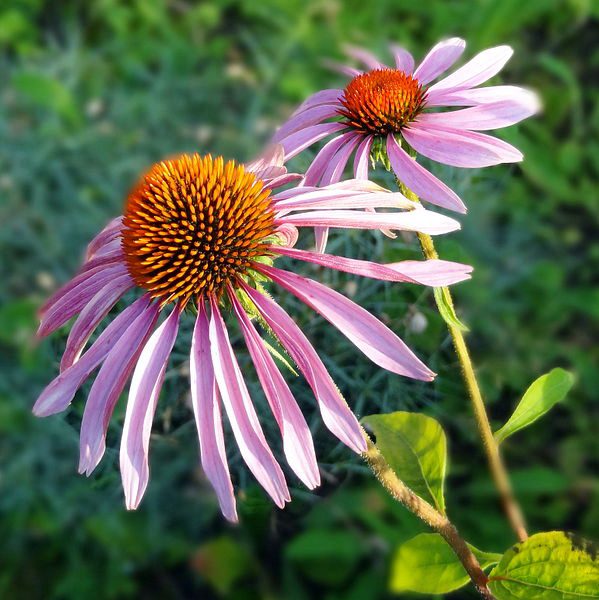
What it is
Echinacea is a group of North American flowering plants in the daisy family (Asteraceae). Echinacea purpurea is one of the species commonly used in supplements and herbal medicinal products.
Traditional-use context
Echinacea products are widely promoted for colds and immune support, but results differ by species, plant part, extract, and study. NCCIH notes that evidence is mixed and product formulations are not interchangeable.
Preparation context
Commercial products include teas, extracts, tablets, and liquid preparations. Follow the product label because concentration and plant part vary substantially.
Quality and identification
Look for a product that states the Echinacea species, plant part, extraction method or strength, and serving size. Avoid assuming that all “echinacea” products provide the same exposure.
Safety and precautions
Allergic reactions can occur, particularly in people sensitive to plants in the daisy family. Discuss use with a clinician if you are pregnant, breastfeeding, have an autoimmune condition, take immunosuppressive medicines, or use multiple medications.
Evidence note
Traditional use and modern clinical evidence are not the same. Where an official monograph exists, this page uses it as a primary reference; otherwise claims are deliberately conservative.
NCCIH — EchinaceaDisclaimer: This page is for educational purposes only and does not provide medical advice. Herbal products can interact with medicines and may be inappropriate for some people. Consult a qualified clinician or pharmacist when symptoms are significant, persistent, or when you use prescription medicines.