
What it is
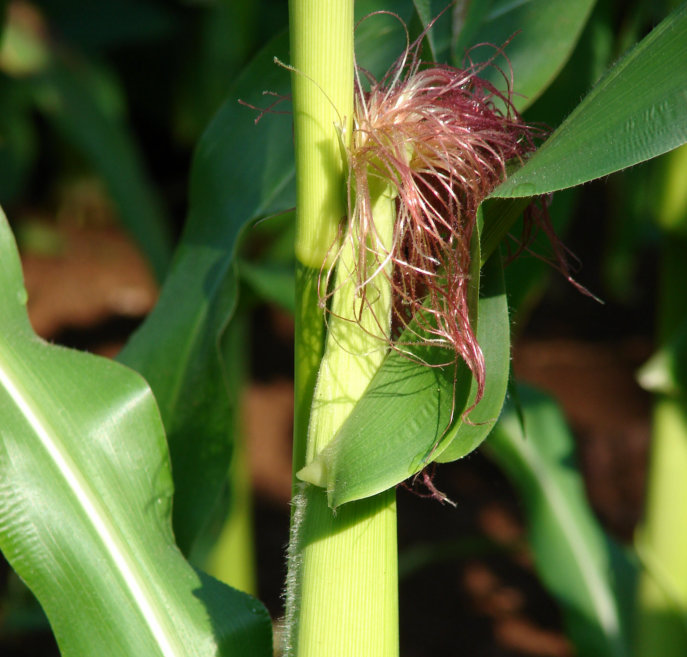
Corn silk is the bundle of thread-like stigmas and styles from maize (Zea mays). It has a history of use in folk herbal traditions, particularly in urinary-support preparations.
Traditional-use context
Human clinical evidence is limited compared with better-studied herbal medicines. Traditional use should therefore be described as historical practice, not as proof that corn silk treats urinary, kidney, blood-pressure, or metabolic disease.
Preparation context
Corn silk is commonly sold as dried material for infusion. If used, choose a food-grade or herbal product with clear identification and follow the manufacturer's instructions rather than concentrated homemade extracts.
Quality and identification
Use clean, properly dried material from a reputable source. Discard material with moisture damage, mould, or unclear provenance.
Safety and precautions
Do not use corn silk to delay evaluation of painful urination, fever, blood in the urine, kidney symptoms, swelling, or persistent urinary complaints. Discuss use with a clinician if you take diuretics, blood-pressure medicines, diabetes medicines, anticoagulants, or have kidney disease.
Evidence note
Traditional use and modern clinical evidence are not the same. Where an official monograph exists, this page uses it as a primary reference; otherwise claims are deliberately conservative.
Peer-reviewed review — Corn silk (Stigma maydis)Disclaimer: This page is for educational purposes only and does not provide medical advice. Herbal products can interact with medicines and may be inappropriate for some people. Consult a qualified clinician or pharmacist when symptoms are significant, persistent, or when you use prescription medicines.