
What it is
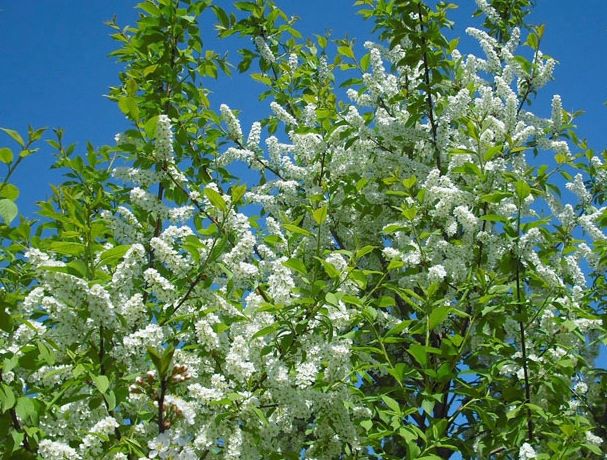
Bird cherry (Prunus padus) is a tree in the rose family (Rosaceae) that grows naturally across much of Northern Europe, including the Benelux region. It prefers moist, sandy or loamy soils and is often found along woodland edges and in open, damp areas.
In early May it produces strongly fragrant, white flower clusters. The flowers are pollinated by insects. The small dark fruits ripen in autumn and are readily eaten by birds and other animals. Bird cherry reproduces both by seed and by root suckers.
Parts traditionally used
In traditional practice, different parts have been used:
- Fruits (most commonly): harvested when ripe and dried (often using gentle heat).
- Flowers: harvested during flowering and dried in the shade.
- Bark: harvested in spring and dried with warm airflow.
- Leaves: harvested in early summer and dried in the shade or in a well‑ventilated attic, laid in a thin layer and turned regularly.
Key compounds
Traditional sources describe the fruits as containing tannins, organic acids (such as malic and citric acid), sugars, and glycosides (including amygdalin‑type compounds). Plant tissues have also been described as containing volatile substances with antimicrobial and insect‑repelling activity. Various minerals have been reported as well.
Traditional uses
Prunus padus has been used in folk traditions mainly as an astringent (tannin‑rich) plant. Traditional applications include:
- Digestive support: fruit infusions/decoctions used for diarrhea and intestinal discomfort.
- Diuretic/diaphoretic support: bark decoctions used traditionally to promote urination and perspiration.
- Upper respiratory discomfort: leaf teas or infusions used traditionally during coughs and respiratory irritation.
- External use: flower water extracts used as lotions for irritated mucous membranes (including the eyes in some traditions); bark preparations used in baths/compresses for aches.
How it is commonly prepared (traditional)
- Fruit infusion/decoction (astringent): traditional recipes often use about 10 g dried fruit per cup of water; taken in small servings 2–3 times daily.
- Bark decoction: traditional methods describe simmering a small amount of powdered bark in a cup of water, then straining; taken in teaspoon‑sized servings several times daily.
- Flower infusion for eye rinses: traditionally prepared by steeping dried flowers in hot water, cooling, then using externally.
Safety & cautions
Important: Some Prunus species contain cyanogenic glycosides (amygdalin‑type compounds) in certain tissues. For this reason, avoid self‑treating with concentrated preparations, and do not use bark/leaf/seed preparations in large doses.
- If you are pregnant or breastfeeding, have a chronic condition, or take prescription medicines, consult a qualified clinician before using any concentrated herbal preparations.
- For severe symptoms (high fever, breathing difficulty, severe abdominal pain, dehydration, blood in stool), seek medical care promptly.
Disclaimer: This page is for educational purposes only and does not provide medical advice. Herbs can interact with medications and may not be appropriate for everyone. If you are pregnant, breastfeeding, have a medical condition, or take prescription medicines, consult a licensed clinician before using any herbal product.