
What it is
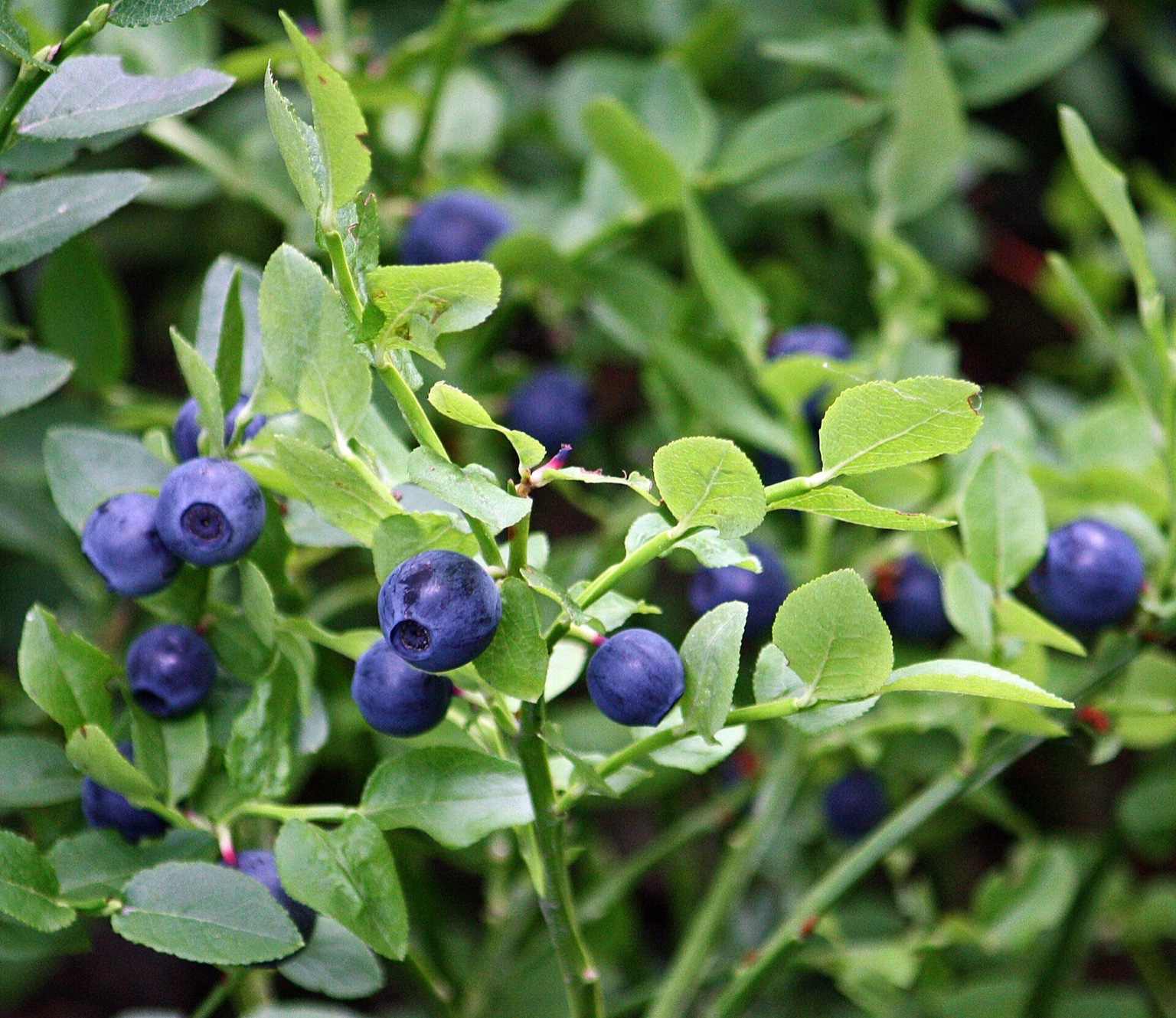
Bilberry (Vaccinium myrtillus) is a summer‑green dwarf shrub in the heather family (Ericaceae). It typically grows 15–50 cm tall, with green, angular stems and small, egg‑shaped, finely toothed leaves. In May and June it produces small pink flowers, followed by round blue‑black berries.
The name Vaccinium has been linked historically to Latin terms for berry shrubs; myrtillus refers to a resemblance to myrtle. Medieval sources describe bilberry’s traditional use, and it is often cited in European herbal history.
Parts used
The ripe fruits (often dried) and, in some traditions, the leaves are used.
Key compounds
Bilberry contains fruit acids, tannins, anthocyanins, flavonoids, caffeic‑acid derivatives, pectin, vitamins, and minerals. The tannins contribute to an astringent effect; anthocyanins are widely studied for antioxidant and vascular effects.
Traditional uses
- Diarrhea: dried berries are traditionally used for diarrhea of various causes.
- Mouth and throat irritation: mild inflammation of oral/throat mucosa (as rinses or teas in some traditions).
- Skin and external use: historically used on ulcers and certain skin conditions.
- General nutrition: fresh berries have been used traditionally during deficiency states (e.g., scurvy‑like conditions) due to their nutrient content.
Traditional texts also describe use for vomiting, bleeding tendencies, and hemorrhoids, and mention applications for gastrointestinal complaints and inflammatory joint conditions (such as gout and rheumatism).
Leaves and blood sugar (traditional note)
Some folk traditions use bilberry leaves and young shoots in early stages of blood‑sugar imbalance, describing a glycoside (sometimes referred to as neomyrtillin) as contributing to this effect. This is traditional use; do not replace medical diabetes care with leaf teas.
Preparation methods (traditional)
- Tea (dried berries): steep about 2 teaspoons of crushed dried berries in ~150 ml hot water for ~10 minutes; traditional guidance may mention up to several cups daily.
- Infusion (gout traditions): some traditions steep dried berries for a longer time and drink in divided doses.
- Food use: dried berries are also used as an addition to foods.
Safety & cautions
- If diarrhea persists longer than 3 days, or if there is fever, dehydration, or blood in the stool, seek medical care.
- Possible side effect: fresh berries can cause diarrhea in some individuals.
- If you take glucose‑lowering medicines, monitor blood sugar and consult a clinician before using concentrated leaf products.
Disclaimer: This page is for educational purposes only and does not provide medical advice. Herbs can interact with medications and may not be appropriate for everyone. If you are pregnant, breastfeeding, have a medical condition, or take prescription medicines, consult a licensed clinician before using any herbal product.