
Science & Health Technology: How Modern Tools Strengthen Human Health
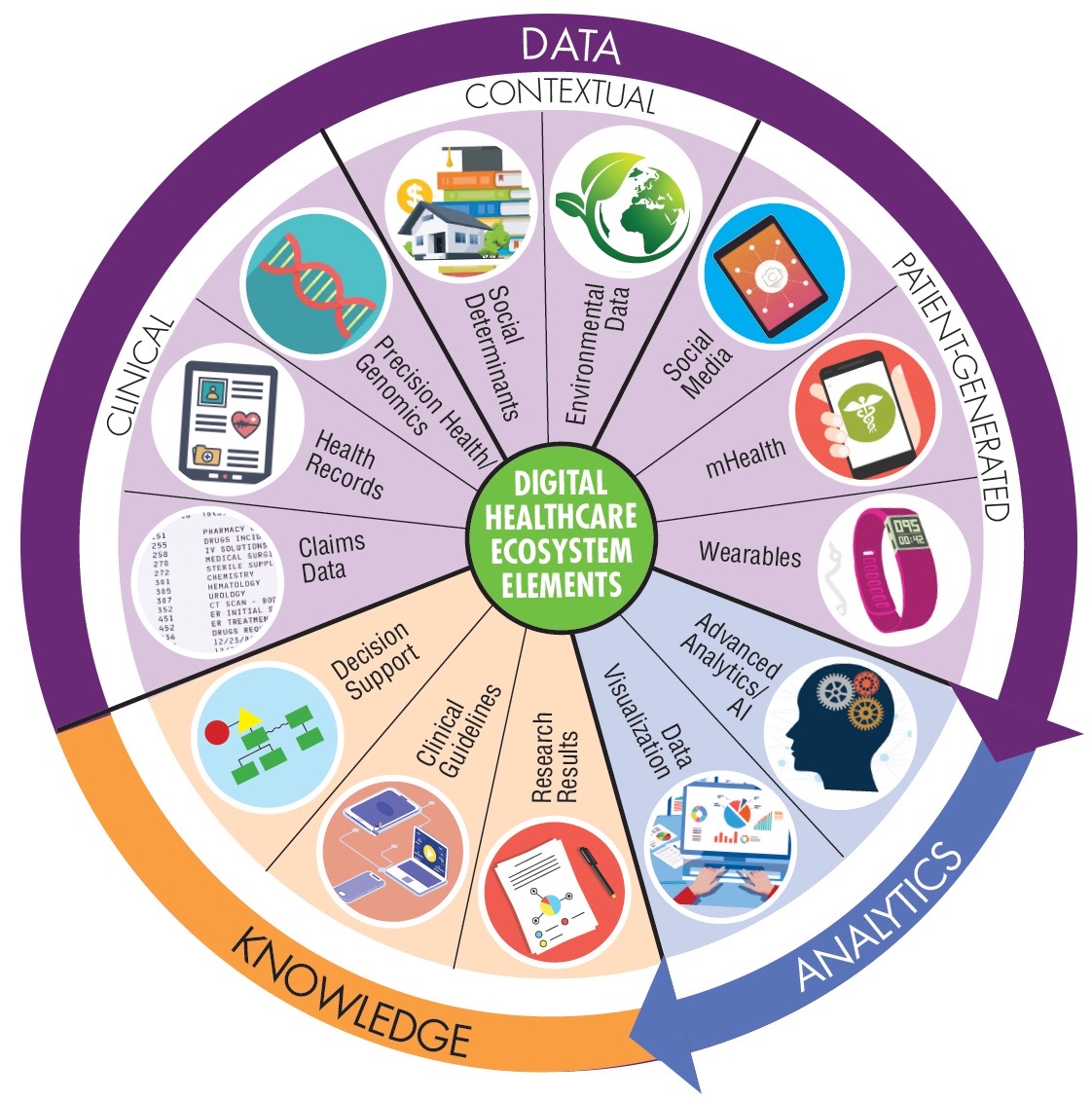
In recent years, the world of health and medicine has undergone a profound transformation. Where healthcare was once largely reactive—focused on treating illness after symptoms appeared—it is now increasingly preventive, personalized, and data-driven. This shift is made possible by the convergence of science, technology, and human biology: science & health technology.
This article explores how modern health technologies help us better understand the human body, improve well-being, and support long-term health—while highlighting the importance of balance, ethics, and human awareness.
1. From Reactive Care to Preventive Health
Traditional healthcare systems are designed to respond to disease. Health technology changes this paradigm by enabling continuous monitoring of the body in everyday life.
Through wearable devices, smart sensors, and digital health platforms, it is now possible to track key physiological indicators such as:
- heart rate and heart rhythm
- sleep quality and recovery
- stress and nervous system activity
- blood oxygen levels
- daily movement and physical activity
These measurements allow early detection of irregularities, often before symptoms are consciously felt. Health becomes something that is observed, understood, and supported daily—not only when illness arises.
2. Artificial Intelligence in Healthcare
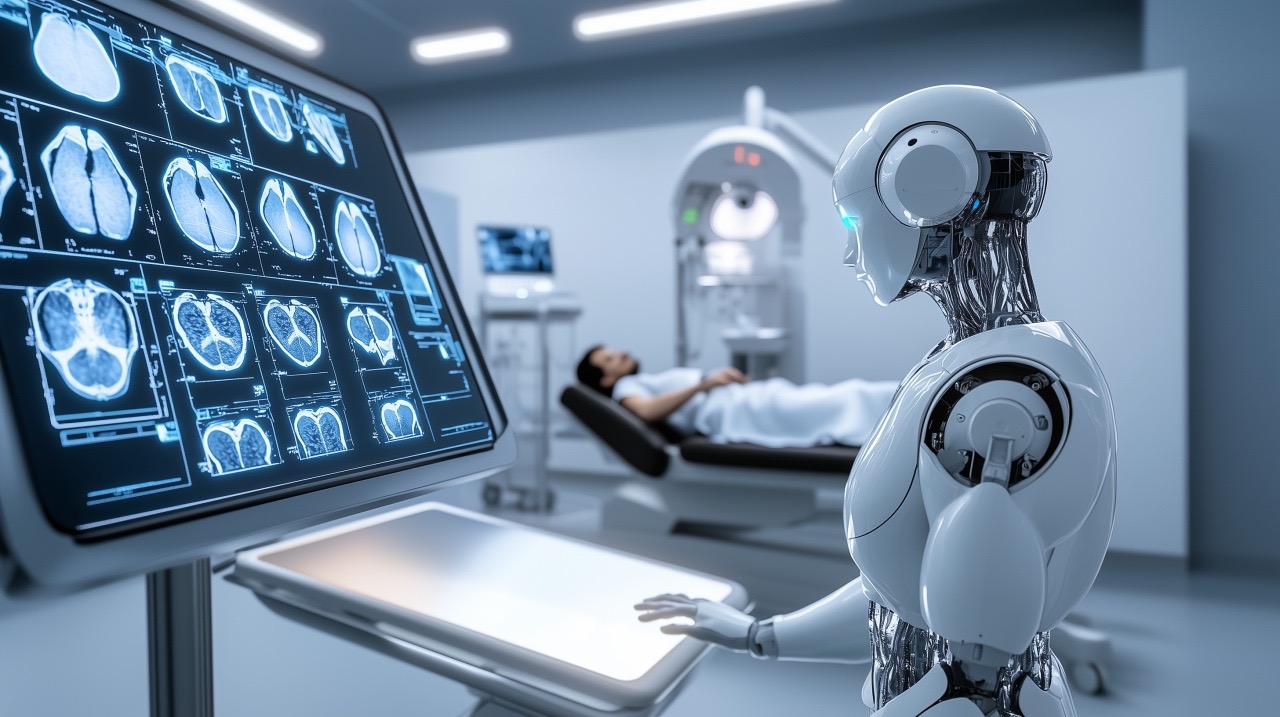
Artificial intelligence (AI) has become a powerful tool in modern medicine. By analyzing vast amounts of medical and biological data, AI systems can identify patterns that are difficult for humans to detect on their own.
Current applications include:
- medical image analysis with high diagnostic accuracy
- early detection of chronic and degenerative conditions
- clinical decision support for healthcare professionals
- prediction of health risks based on lifestyle and biological markers
Importantly, AI is not designed to replace medical professionals, but to augment human expertise, improving precision, speed, and consistency in healthcare delivery.
3. Biotechnology and Health at the Cellular Level
Biotechnology deepens our understanding of health at the molecular and genetic scale. Advances in this field have revealed how lifestyle, environment, and nutrition influence biological processes inside the body.
Key areas of biotechnology include:
- genetic and epigenetic research
- personalized and targeted therapies
- cellular repair and regenerative medicine
- research into inflammation, metabolism, and immune function
These insights reinforce a fundamental truth: health is not static. It is a dynamic interaction between biology, environment, and daily choices—a principle long recognized in natural and holistic health traditions.
4. Digital Health and Personal Awareness
One of the most profound impacts of health technology is increased self-awareness. Access to real-time physiological data helps individuals understand how their bodies respond to stress, rest, nutrition, movement, and emotional states.
This awareness encourages:
- more conscious lifestyle decisions
- greater responsibility for personal well-being
- early behavioral adjustments that support long-term health
Technology, in this sense, becomes a mirror—reflecting how the body experiences daily life.
5. Ethics, Privacy, and Human Balance
As health technology advances, ethical responsibility becomes essential. Health data is deeply personal and must be protected through transparency, security, and responsible use.
Equally important is preserving human balance. Technology should serve human health—not dominate it. True well-being extends beyond data points and includes mental clarity, emotional stability, social connection, and harmony with nature.
Conclusion: Technology as an Ally to Natural Wisdom
Science and health technology are not opposed to natural or holistic health. When used wisely, they provide powerful tools to better understand the body and support its natural balance.
By integrating modern science with respect for human values and natural wisdom, we move toward a future where technology enhances—not replaces—the essence of human health.
Sources & references
- World Health Organization (WHO) – Digital Health
- National Institutes of Health (NIH) – Health Technology Research
- The Lancet Digital Health
- Nature Biotechnology
- European Commission – Digital Health & Care