
Poisoning: Symptoms and First Aid
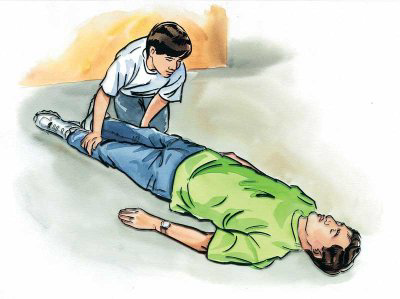
Poisoning is often serious and can occur in various ways. Toxic substances may enter the body through inhalation, ingestion, injection, or through contact with the skin or mucous membranes, which can also trigger dangerous reactions.
Early recognition and correct action are crucial to prevent severe injury or death.
How to recognize poisoning
Sometimes the situation itself suggests poisoning, for example:
- a running engine in a closed space
- an empty or open medication package
- the presence of chemical products
In other cases, clear physical symptoms appear. A victim may show one or more of the following signs:
- disturbances of consciousness or unconsciousness
- breathing difficulties
- irregular heart rhythm or blood pressure problems
- extremely large or very small pupils
- clammy skin or abnormal skin color
- vomiting, nausea, or cramps
- burns to the skin, mouth, or eyes
What to do immediately
As soon as you suspect poisoning:
Call the Poison Control Center or 911 immediately. Do not wait for symptoms to appear.
Always strictly follow the instructions of the Poison Control Center or a medical professional.
Do not self-treat
Never start treatment on your own, such as giving the victim something to drink or inducing vomiting. Without professional guidance, these actions may worsen the situation.
Myth: Milk is an antidote. This is not true.
What you can always do safely
Poisoning by inhalation
Poisoning may occur from inhaling toxic gases or fumes.
- Move the victim immediately to fresh air.
- Open windows and doors.
- Only do this if it is safe for you.
Never enter enclosed spaces (basements, tanks, pits, garages) to rescue an unconscious person. Always leave this to emergency services.
If the victim is conscious
- Place the victim in a semi-upright position to ease breathing.
- If rescue breathing is needed, protect yourself by using a resuscitation mask or a plastic face shield.
Contact with chemical substances
Poisoning through skin contact may occur, often combined with chemical burns.
- Avoid direct contact with the substance.
- Wear protective gloves if available.
- Protect yourself first as a first responder.
Poisoning by injection
- Ensure no one gets injured by needles or syringes.
- Secure them safely but keep them available for emergency services.
- Wear gloves when in contact with blood or bodily fluids.
Key points to remember
- In cases of poisoning, every minute counts.
- Act calmly but immediately.
- Always rely on professional medical advice.
- Protect yourself as a first responder.
Conclusion
Poisoning is a medical emergency that requires fast and correct action. Recognizing the symptoms and providing appropriate first aid can save lives—while avoiding actions that may unintentionally worsen the situation.
Knowledge and calm awareness are your most powerful tools.